
Ujjain

Cover Image
Ramghat Ujjain

Ramghat Ujjain

Summary

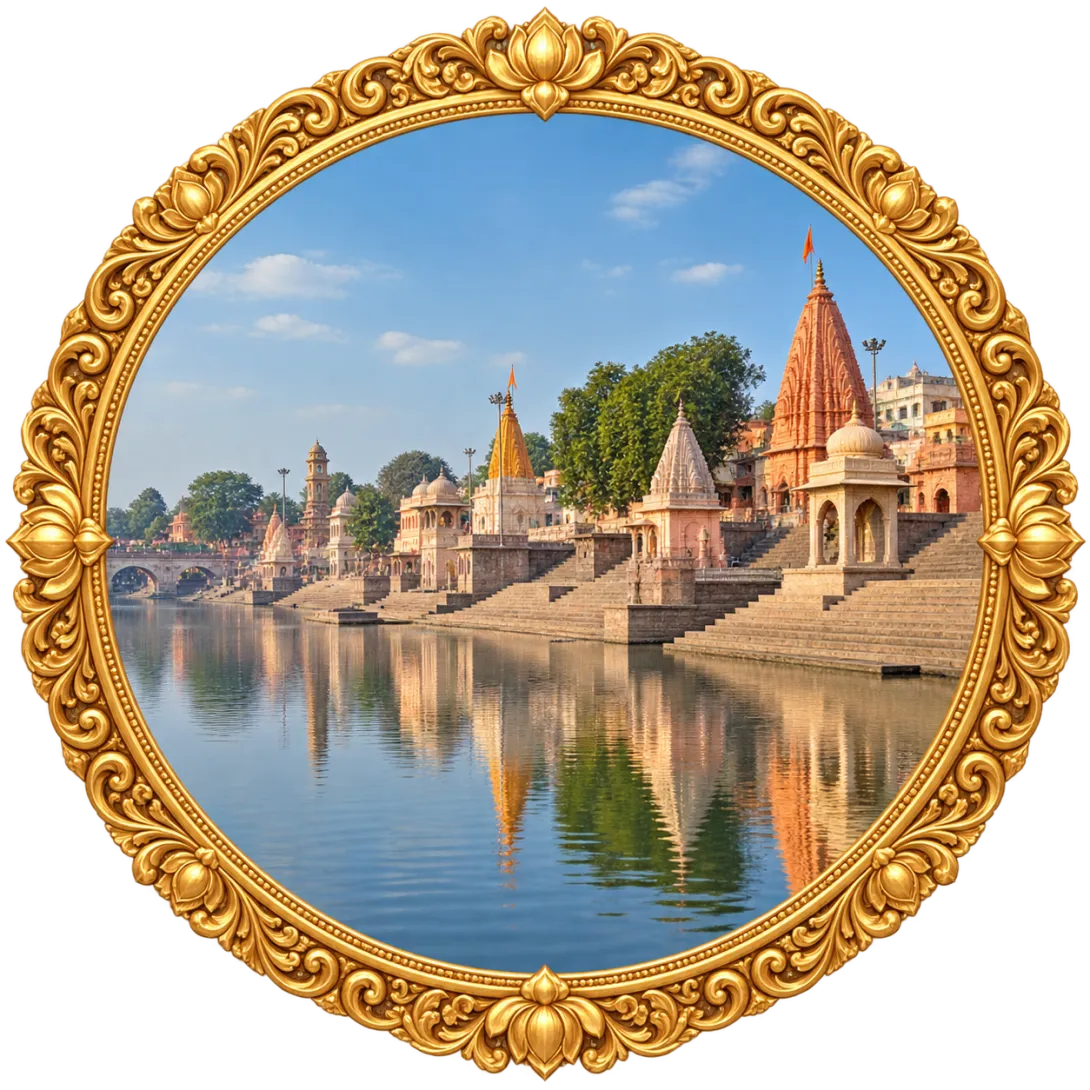
Visit Ramghat in Ujjain, the most prominent sacred bathing ghat situated on the banks of the holy Kshipra River. Known for ritual bathing, ancestral ceremonies, Deep Daan, the evening Kshipra Aarti, and the grand Simhastha Kumbh Mela, Ramghat represents the spiritual heart of Ujjain. The sight of ancient temples, glowing lamps, chanting priests, and devotees praying beside the river creates a deeply peaceful and devotional atmosphere.

About Ramghat Ujjain

Ramghat is the principal bathing ghat of Ujjain, Madhya Pradesh. It is situated on the banks of the Kshipra River, also known as the Shipra River, and holds immense religious importance in Hinduism.

Devotees visit Ramghat to take a sacred dip, offer water to the rising Sun, perform Tarpan and Pind Daan for their ancestors, light lamps, and attend the evening Kshipra Aarti. The ghat becomes especially vibrant during religious festivals, full-moon days, new-moon days, Mondays of Shravan, and the Simhastha Kumbh Mela.

According to local religious tradition, Lord Rama visited this place and performed rituals for his father, King Dasharatha. The ghat is believed to have received the name Ramghat because of this sacred association with Lord Rama.

Ramghat is not a single temple with fixed gates. It is an open riverfront accessible throughout the day, although bathing and religious activities are best performed during daylight and designated safe hours.

Ramghat at a Glance

Particular

Details

Place Name

Ramghat

Location

Banks of the Kshipra River, Ujjain

State

Madhya Pradesh

Religious Association

Lord Rama, Maa Kshipra and Lord Mahakaleshwar

Famous For

Holy bathing, Kshipra Aarti, Deep Daan and ancestral rituals

River

Kshipra or Shipra River

Access Hours

Open 24 hours

Recommended Bathing Time

05:00 AM – 08:00 AM

Evening Kshipra Aarti

06:30 PM – 07:00 PM

Entry Fee

Free

Recommended Visit Duration

45–90 minutes

Major Event

Simhastha Kumbh Mela

Best Months to Visit

October to March

Description

History of Ramghat Ujjain

Ujjain, traditionally known as Ujjayini and Avantika, is one of India’s oldest sacred cities. Its religious identity has been closely connected with the Kshipra River since ancient times.

Ramghat has served as an important place for ritual bathing, religious ceremonies, spiritual gatherings, and festivals for centuries. The riverfront developed gradually under different rulers and religious institutions. Several sections of the ghat, stone steps, temples, platforms, and nearby shrines were constructed, expanded, or restored during different historical periods.

The Maratha rulers made significant contributions to the restoration of Ujjain’s temples and ghats during the 18th century. Stone steps, worship platforms, temples, and facilities for pilgrims were developed along the river during the Maratha period.

Because Ramghat is an ancient riverfront that developed over several centuries, its complete construction cannot be attributed to one ruler or a single year. Its present appearance is the result of repeated construction, restoration, and renovation.

Today, Ramghat continues to serve as Ujjain’s main religious bathing place and an important centre for the Simhastha Kumbh Mela.

Religious Significance of Ramghat

Ramghat is considered one of the holiest locations in Ujjain because it stands on the banks of the sacred Kshipra River. Ujjain is traditionally included among the seven sacred cities believed to grant liberation.

Devotees believe that taking a holy dip in the Kshipra River with sincere faith helps purify the mind, remove the burden of past sins, and support spiritual progress.

Ramghat is considered particularly auspicious for:

  • Holy bathing
  • Offering water to the Sun
  • Kshipra River worship
  • Deep Daan
  • Tarpan for ancestors
  • Pind Daan
  • Shraddha ceremonies
  • Asthi Visarjan
  • Charity and food donation
  • Meditation and mantra chanting
  • Beginning the Ujjain temple pilgrimage

Many devotees take a sacred bath at Ramghat before visiting Mahakaleshwar Jyotirlinga Temple.

Association with Lord Rama

According to local tradition, Lord Rama, Goddess Sita, and Lord Lakshmana visited this sacred riverbank. Lord Rama is believed to have performed ancestral rituals here for his father, King Dasharatha.

This association made the riverfront an important place for Pind Daan, Tarpan, and Shraddha ceremonies. It is traditionally believed that rituals performed here with devotion bring peace to departed ancestors and help the family receive their blessings.

The name Ramghat is associated with this sacred episode from the tradition of Lord Rama.

Significance of the Kshipra River

The Kshipra is one of the sacred rivers of Hindu tradition. Its name is associated with swiftness, grace, and the quick granting of spiritual merit.

The river passes through Ujjain and connects many important religious locations, including Ramghat, Mangalnath Temple, Siddhavat, and other ancient shrines.

Devotees respectfully worship the river as Maa Kshipra. They offer flowers, lamps, water, and prayers while seeking purification, protection, prosperity, and spiritual peace.

Visitors should use only biodegradable worship materials and avoid leaving plastic, clothes, food packets, or other waste in the river.

Ramghat Timings

Activity

Timings

Ghat Access

Open 24 hours

Recommended Morning Visit

05:00 AM – 08:00 AM

Holy Bathing and Surya Arghya

05:30 AM – 08:00 AM

Morning Puja and Ancestral Rituals

06:00 AM – 11:00 AM

General Visiting Hours

05:00 AM – 10:00 PM

Recommended Evening Visit

05:30 PM – 07:30 PM

Evening Kshipra Aarti

06:30 PM – 07:00 PM

Deep Daan

06:30 PM – 08:00 PM

Recommended Departure Time

Before 10:00 PM

Ramghat is an open public riverfront and does not have a formal closing gate. However, visitors should avoid entering the river after dark. The evening aarti schedule may be adjusted according to sunset, weather, river conditions, and special festivals.

Morning Puja at Ramghat

The early morning is considered the most auspicious time for religious activities at Ramghat. Devotees begin their worship by taking a holy bath or respectfully sprinkling Kshipra water over themselves.

Common morning rituals include:

  • Holy bathing in the Kshipra River
  • Offering water to Lord Surya
  • Worship of Maa Kshipra
  • Gayatri Mantra chanting
  • Mahamrityunjaya Mantra chanting
  • Tarpan for ancestors
  • Pind Daan and Shraddha
  • Donation of food, clothes, or other useful items
  • Visiting Mahakaleshwar Temple after bathing

Unlike the organised evening Kshipra Aarti, morning worship is generally performed individually or with the assistance of priests.

Evening Kshipra Aarti

The evening Kshipra Aarti is one of the most beautiful spiritual experiences at Ramghat. Priests worship Maa Kshipra with traditional lamps, incense, flowers, mantras, bells, and devotional songs.

The reflection of the lamps on the river creates a peaceful and captivating sight. Devotees participate by chanting prayers, offering flowers, and floating small lamps on the water.

Visitors should arrive before 06:15 PM to find a suitable place for attending the aarti. During festivals and weekends, reaching the ghat earlier is advisable because the riverfront becomes crowded.

Deep Daan at Ramghat

Deep Daan means offering a lighted lamp to the sacred river. Devotees place small lamps made from leaves or biodegradable materials on the water while praying to Maa Kshipra.

Deep Daan is performed for:

  • Peace and prosperity
  • Removal of difficulties
  • Family happiness
  • Spiritual purification
  • Fulfilment of wishes
  • Blessings of ancestors
  • Remembrance of departed family members

Visitors should avoid lamps or decorations containing plastic, metal foil, or other non-biodegradable materials.

Pind Daan and Tarpan at Ramghat

Ramghat is an important location for ancestral ceremonies. Families visit the ghat to perform Pind Daan, Tarpan, Shraddha, and other rituals under the guidance of traditional priests.

Tarpan

Tarpan involves offering water, sesame seeds, and prayers to departed ancestors. It is commonly performed during Pitru Paksha, Amavasya, eclipses, and death anniversaries.

Pind Daan

Pind Daan is performed for the peace and spiritual progress of departed family members. The ceremony should be conducted under the guidance of a knowledgeable priest.

Asthi Visarjan

Families also visit Ramghat for the respectful immersion of ashes. Local regulations and designated areas should be followed during the ritual.

Visitors planning any ancestral ceremony should confirm the required materials, ritual duration, and dakshina before beginning the puja.

Simhastha Kumbh Mela at Ramghat

Ramghat is one of the principal locations of the Ujjain Simhastha Kumbh Mela, which is traditionally organised once every twelve years.

During Simhastha, saints, Akharas, spiritual leaders, pilgrims, and devotees from different parts of India gather on the banks of the Kshipra River. The Shahi Snan, or royal bath, is one of the most significant events of the festival.

Temporary camps, religious discourses, bhajans, charitable services, and large-scale worship ceremonies are organised across the city. Special crowd-management rules and bathing schedules apply during Simhastha.

Mahakal Sawari at Ramghat

During the holy months of Shravan and Bhadrapada, the ceremonial procession of Lord Mahakaleshwar travels through Ujjain.

The palanquin of Lord Mahakal reaches Ramghat, where the deity is ceremonially worshipped with water from the Kshipra River. Thousands of devotees gather along the procession route to receive darshan.

The atmosphere becomes filled with flowers, drums, devotional songs, and chants of “Jai Shri Mahakal.”

Major Festivals and Religious Occasions

Simhastha Kumbh Mela

Simhastha is the largest religious gathering associated with Ramghat. Sacred bathing, saint processions, spiritual discourses, and charitable activities are organised during the festival.

Kartik Purnima

Devotees take a holy bath, perform Deep Daan, and offer prayers to Maa Kshipra on Kartik Purnima.

Somvati Amavasya

When Amavasya falls on a Monday, large numbers of devotees visit Ramghat for ritual bathing and ancestral worship.

Makar Sankranti

Devotees take a sacred morning bath and offer water to Lord Surya on Makar Sankranti.

Mahashivratri

Pilgrims bathe at Ramghat before proceeding towards Mahakaleshwar Jyotirlinga Temple.

Shravan Month

The ghat becomes especially active during the Mondays of Shravan and the traditional Mahakal Sawari.

Pitru Paksha

Families perform Tarpan, Pind Daan, and Shraddha ceremonies for departed ancestors during Pitru Paksha.

Ganga Dussehra

Maa Kshipra is worshipped with sacred bathing, prayer, charity, and Deep Daan.

Eclipses

Special bathing and purification rituals are traditionally performed after solar and lunar eclipses. Administrative instructions should be followed on such occasions.

Entry Fee and Visit Duration

There is no entry fee for visiting Ramghat. Visitors can freely attend the evening Kshipra Aarti and explore the public riverfront.

A normal visit takes 45 to 90 minutes. Those attending the evening aarti, performing ancestral rituals, or visiting nearby temples may require two to three hours.

Charges may apply for private pujas, boats, ritual materials, photography services, or ceremonies performed with the assistance of priests.

Best Time to Visit Ramghat

The best time for a morning visit is between 05:30 AM and 08:00 AM. This period is suitable for holy bathing, Surya Arghya, meditation, and photography.

The best evening experience is between 05:30 PM and 07:30 PM, particularly during the Kshipra Aarti and Deep Daan.

October to March offers pleasant weather. Visitors should exercise additional caution during the monsoon because the water level and current of the Kshipra River may increase.

How to Reach Ramghat Ujjain

By Air

The nearest airport is Devi Ahilyabai Holkar Airport in Indore. Taxis and cab services are available from the airport to Ujjain. The journey takes 1.5 to 2 hours, depending on traffic.

By Train

Ujjain Junction is the nearest railway station. It is connected with Indore, Bhopal, Delhi, Mumbai, Jaipur, Ahmedabad, Kota, Varanasi, and several other cities.

Auto-rickshaws, e-rickshaws, and taxis are available from the railway station to Ramghat.

By Road

Ujjain is well connected by road with Indore, Bhopal, Dewas, Ratlam, Omkareshwar, and other cities. Government and private buses operate regularly.

The roads near Ramghat can become congested during festivals. Using an auto-rickshaw or e-rickshaw is generally more convenient than taking a private car directly to the ghat.

Distance from Important Places

Starting Point

Distance

Mahakaleshwar Jyotirlinga Temple

1 km

Harsiddhi Mata Temple

1 km

Ujjain Junction Railway Station

3 km

Ujjain Bus Stand

3 km

Dwarkadhish Gopal Temple

1.5 km

Gadkalika Temple

3 km

Kal Bhairav Temple

5 km

Mangalnath Temple

5 km

Sandipani Ashram

5 km

Indore Airport

55 km

The actual distance may vary according to the selected route, road closures, parking arrangements, and traffic conditions.

Nearby Temples and Attractions

Visitors can explore the following places near Ramghat:

  • Mahakaleshwar Jyotirlinga Temple
  • Harsiddhi Mata Temple
  • Bade Ganeshji Ka Mandir
  • Dwarkadhish Gopal Temple
  • Chaubis Khamba Mata Temple
  • Shri Kaal Bhairav Temple
  • Gadkalika Temple
  • Mangalnath Temple
  • Siddhavat
  • Bhartrihari Caves
  • Sandipani Ashram
  • Mahakal Lok

Suggested Ujjain Darshan Route

A convenient spiritual itinerary can be planned in the following order:

  1. Morning bath at Ramghat
  2. Mahakaleshwar Jyotirlinga Temple
  3. Bade Ganeshji Ka Mandir
  4. Harsiddhi Mata Temple
  5. Dwarkadhish Gopal Temple
  6. Gadkalika Temple
  7. Sandipani Ashram
  8. Mangalnath Temple
  9. Kal Bhairav Temple
  10. Return to Ramghat for evening Kshipra Aarti

The itinerary can be modified according to temple timings, traffic conditions, festival arrangements, and the traveller’s available time.

Safety Guidelines for Visitors

  • Use only the designated bathing areas.
  • Check the water level before entering the river.
  • Follow the instructions of police, lifeguards, and local authorities.
  • Avoid entering deep water.
  • Do not enter the river after dark.
  • Children and elderly visitors should remain accompanied.
  • Use chains, railings, and bathing platforms wherever available.
  • Avoid bathing when the river current is strong.
  • Do not leave clothes, plastic, flowers, or food packets in the river.
  • Keep mobile phones, wallets, and valuables secure.
  • Take care while walking on wet and slippery steps.
  • Avoid accepting unsolicited ritual services.
  • Confirm the puja materials and dakshina with the priest in advance.
  • Follow special restrictions during festivals and the monsoon season.

Visitor Guidelines

  • Wear modest clothes suitable for a sacred place.
  • Carry an extra set of clothes if planning to bathe.
  • Respect priests, devotees, and ongoing ceremonies.
  • Do not photograph private ancestral rituals without permission.
  • Use biodegradable materials for Deep Daan.
  • Place waste only in designated bins.
  • Avoid using soap, shampoo, or detergent in the river.
  • Maintain silence during the Kshipra Aarti.
  • Arrive early during weekends and religious festivals.
  • Choose authorised parking areas away from congested lanes.

Conclusion

Ramghat is the spiritual centre of Ujjain and one of the most important sacred locations on the banks of the Kshipra River. Its association with Lord Rama, ancestral ceremonies, holy bathing, Mahakal Sawari, Simhastha Kumbh Mela, and evening Kshipra Aarti gives it exceptional religious significance.

Whether a visitor comes to take a sacred bath, perform Tarpan, offer a lamp, attend the evening aarti, or simply experience the peaceful riverfront, Ramghat provides a memorable spiritual experience. The chanting of prayers, reflections of lamps on the Kshipra River, and surrounding temples beautifully represent the timeless religious heritage of Ujjain.

Cover Image
Dwarkadhish Gopal Temple Ujjain

Dwarkadhish Gopal Temple Ujjain

Summary

Visit Dwarkadhish Gopal Temple in Ujjain, one of the city’s most prominent temples dedicated to Lord Krishna. Situated in the busy market area near Chhatri Chowk, the temple is famous for its beautiful Maratha architecture, marble sanctum, silver-plated doors, magnificent idol of Lord Krishna, and the sacred Hari-Har Milan celebration. Its devotional atmosphere makes it an important destination for devotees visiting Ujjain.

About Dwarkadhish Gopal Temple Ujjain

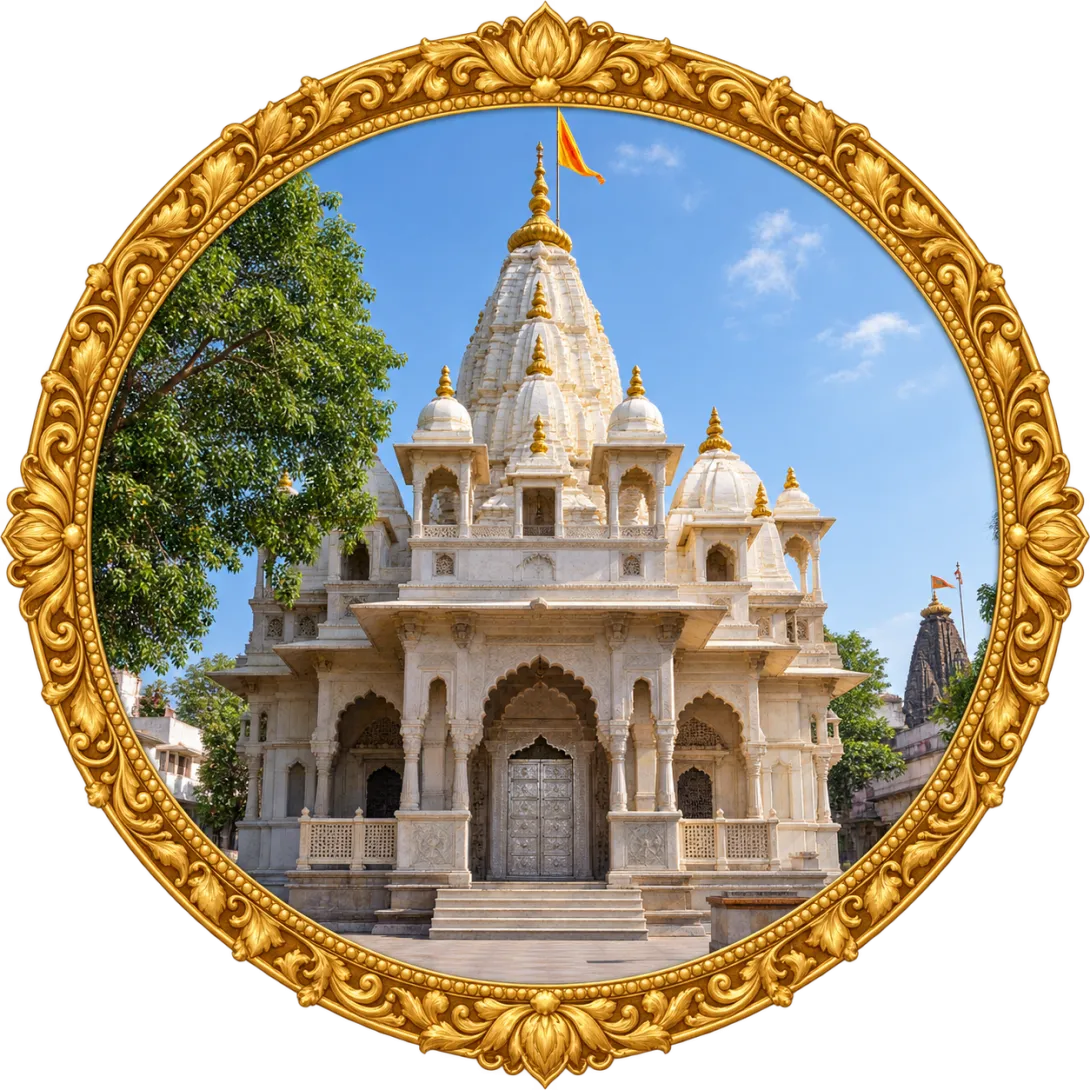
Dwarkadhish Gopal Temple, popularly known as Gopal Mandir, is a revered Krishna temple located in the heart of Ujjain, Madhya Pradesh. It is considered one of the largest and most important temples in the city after Mahakaleshwar Jyotirlinga Temple.

The temple is dedicated to Lord Krishna in his Dwarkadhish and Gopal forms. Dwarkadhish represents Lord Krishna as the king of Dwarka, while Gopal represents his loving form as the protector of cows and devotees.

The temple was constructed in 1833 CE by Maharani Baijabai Shinde, wife of the Maratha ruler Maharaja Daulat Rao Shinde of Gwalior. Built in the traditional Maratha architectural style, the temple contains a spacious courtyard, an impressive spire, a marble-inlaid sanctum, and beautifully decorated silver-plated doors.

Along with Lord Krishna, devotees can also have darshan of Radha Rani, Lord Shiva, Goddess Parvati, and Garuda within the temple complex.

Dwarkadhish Gopal Temple at a Glance

Particular

Details

Temple Name

Shri Dwarkadhish Gopal Temple

Popular Name

Gopal Mandir

Location

Gopal Mandir Marg, near Chhatri Chowk, Ujjain

State

Madhya Pradesh

Main Deity

Lord Krishna

Worshipped Forms

Dwarkadhish and Gopal

Other Deities

Radha Rani, Lord Shiva, Goddess Parvati and Garuda

Constructed By

Maharani Baijabai Shinde

Construction Year

1833 CE

Historical Period

19th-century Maratha period

Architectural Style

Maratha temple architecture

Famous For

Silver-plated doors, marble sanctum and Hari-Har Milan

Entry Fee

Free

Recommended Visit Duration

30–45 minutes

Major Festivals

Janmashtami, Hari-Har Milan, Holi, Annakoot and Diwali

Description

History of Dwarkadhish Gopal Temple

Dwarkadhish Gopal Temple was constructed in 1833 CE by Maharani Baijabai Shinde, the wife of Maharaja Daulat Rao Shinde. The Shinde or Scindia rulers played an important role in the religious and architectural development of Ujjain during the Maratha period.

Maharani Baijabai was known for her religious devotion and support for temples and public institutions. She commissioned the construction of this grand temple in the central market area so that residents and visiting devotees could easily worship Lord Krishna.

The temple is particularly famous for its silver-plated doors. According to popular tradition, these doors were originally connected with the historic Somnath Temple. They were taken away during medieval invasions and were later recovered by the Maratha rulers before being installed at Gopal Mandir. The historical details associated with their journey are preserved mainly through local tradition.

Over the years, Gopal Mandir has remained an important centre of Krishna devotion in Ujjain. The temple continues to preserve its Maratha-era appearance, religious traditions, and connection with the Scindia royal family.

Religious Significance of Gopal Mandir

Lord Krishna is worshipped here as Dwarkadhish, the king of Dwarka, and Gopal, the loving protector of cows and devotees. These forms represent divine leadership, wisdom, compassion, protection, and unconditional love.

Devotees believe that worshipping Lord Dwarkadhish with sincerity brings peace, prosperity, family happiness, and protection from difficulties. Many visitors also pray for success, harmony in relationships, and spiritual growth.

The temple has additional importance because of the presence of Lord Shiva and Goddess Parvati. This represents the spiritual unity between the Vaishnava and Shaiva traditions.

Devotees visit the temple to pray for:

  • Peace and happiness in the family
  • Success in personal and professional life
  • Protection from negative influences
  • Prosperity and financial stability
  • Harmony in relationships
  • Fulfilment of sincere wishes
  • Wisdom and spiritual development
  • Devotion towards Lord Krishna

Hari-Har Milan at Gopal Mandir

Hari-Har Milan is one of the most important religious events celebrated at Dwarkadhish Gopal Temple. The festival symbolises the divine meeting of Hari, Lord Vishnu or Krishna, and Har, Lord Shiva.

It is celebrated on Vaikuntha Chaturdashi during the Hindu month of Kartik. On this sacred occasion, the ceremonial procession of Lord Mahakaleshwar reaches Gopal Mandir at night to meet Lord Dwarkadhish.

Special puja is performed after the arrival of Lord Mahakal. According to tradition, Lord Shiva offers bilva leaves to Lord Vishnu, while Lord Vishnu offers tulsi leaves to Lord Shiva. This exchange represents harmony between Shaiva and Vaishnava traditions.

Thousands of devotees gather to witness this unique celebration. The temple and surrounding market are decorated with flowers and lights, while devotional chanting continues during the ceremony.

Architecture of Dwarkadhish Gopal Temple

Gopal Mandir is a remarkable example of 19th-century Maratha temple architecture. The temple’s grand structure stands prominently in the middle of Ujjain’s traditional market area.

The temple complex contains a spacious courtyard surrounded by pillared corridors. Its elevated platform and tall spire give the temple an impressive appearance.

The sanctum is beautifully decorated with marble inlay work. The silver-plated entrance doors, carved pillars, arches, and traditional decorative elements highlight the artistic excellence of the Maratha period.

The principal idol of Lord Krishna is installed on a marble altar. The deity is beautifully decorated with colourful clothes, ornaments, flowers, and a crown during daily worship.

Important architectural features include:

  • Traditional Maratha-style construction
  • Elevated temple platform
  • Spacious central courtyard
  • Marble-inlaid sanctum
  • Silver-plated doors
  • Tall temple spire
  • Stone pillars and decorative arches
  • Separate shrines for other deities
  • Traditional carvings and ornamental designs

Dwarkadhish Gopal Temple Timings

Activity

Timings

Temple Opens

05:00 AM

Mangala Darshan

05:00 AM – 06:00 AM

Morning Puja and Aarti

06:00 AM – 06:30 AM

Morning Darshan

06:30 AM – 12:30 PM

Afternoon Break

12:30 PM – 04:00 PM

Temple Reopens

04:00 PM

Evening Darshan

04:00 PM – 07:00 PM

Evening Aarti

07:00 PM – 07:30 PM

Night Darshan

07:30 PM – 10:00 PM

Temple Closes

10:00 PM

The schedule may change on Janmashtami, Vaikuntha Chaturdashi, Hari-Har Milan, Annakoot, Holi, Diwali, eclipses, and other special occasions. Devotees should confirm the day’s ritual schedule at the temple before attending a specific puja.

Best Time for Darshan

The best time for a peaceful darshan is between 06:30 AM and 09:00 AM. The market remains relatively less crowded during the morning, allowing devotees to spend more time near the sanctum.

Visitors who wish to attend the evening aarti should reach the temple before 06:45 PM. The illuminated temple and devotional atmosphere during evening worship offer a beautiful spiritual experience.

October to March is the most comfortable period for visiting Ujjain. Janmashtami and Hari-Har Milan provide a grand experience, but the temple remains heavily crowded during these festivals.

Daily Puja and Rituals

The daily worship of Lord Dwarkadhish follows traditional Krishna temple rituals. The deity is awakened in the morning, ceremonially bathed, dressed, decorated, and offered food at different times of the day.

The principal daily rituals include:

  • Mangala darshan
  • Abhishek of the deity
  • Shringar and ornamentation
  • Morning puja and aarti
  • Offering of tulsi leaves
  • Bhog offering
  • Krishna mantra chanting
  • Evening puja and aarti
  • Bhajan and kirtan
  • Night darshan
  • Shayan seva

The clothes, ornaments, flowers, and decorations of Lord Krishna may be changed according to the day, season, and festival.

Offerings at Dwarkadhish Gopal Temple

Devotees offer items traditionally associated with Lord Krishna. Common offerings include:

  • Tulsi leaves
  • Fresh flowers
  • Flower garlands
  • Makhan and mishri
  • Milk and curd
  • Panchamrit
  • Fruits
  • Coconut
  • Sooji halwa
  • Pedas and other sweets
  • Yellow clothes
  • Flute and peacock-feather decorations
  • Incense sticks
  • Ghee lamps

Visitors should hand their offerings to the temple priest or place them at the designated offering counter.

Major Festivals Celebrated

Krishna Janmashtami

Janmashtami is the principal festival celebrated at Gopal Mandir. The temple is beautifully decorated with flowers, lights, and traditional ornaments. Special pujas, bhajans, kirtans, and midnight celebrations are organised to commemorate the birth of Lord Krishna.

Hari-Har Milan

Hari-Har Milan is celebrated on Vaikuntha Chaturdashi. The ceremonial procession of Lord Mahakaleshwar arrives at Gopal Mandir for the divine meeting of Lord Shiva and Lord Krishna.

Annakoot and Govardhan Puja

A large variety of food preparations is offered to Lord Krishna during Annakoot. The festival celebrates Lord Krishna’s lifting of Govardhan Hill and his protection of the residents of Braj.

Holi

Holi is celebrated with colours, flowers, devotional songs, and Krishna bhajans. The celebration reflects Lord Krishna’s joyful traditions associated with Braj.

Radhashtami

Radhashtami celebrates the appearance of Radha Rani. Special decoration, puja, and devotional singing are organised at the temple.

Diwali

The temple is decorated with lamps during Diwali. Special worship is performed for Lord Krishna, and devotees pray for prosperity and happiness.

Gita Jayanti

Devotees recite verses from the Bhagavad Gita and remember the teachings given by Lord Krishna to Arjuna.

Entry Fee and Visit Duration

There is no entry fee for visiting Dwarkadhish Gopal Temple. General darshan is available to devotees during the regular opening hours.

A normal visit takes 30 to 45 minutes. During Janmashtami, Hari-Har Milan, and other major festivals, devotees may need additional time because of long queues and crowd-control arrangements.

How to Reach Dwarkadhish Gopal Temple

By Air

The nearest airport is Devi Ahilyabai Holkar Airport in Indore. Taxis and cab services are available from the airport to Ujjain. The journey usually takes 1.5 to 2 hours, depending on traffic.

By Train

Ujjain Junction is the nearest major railway station. It is connected with Indore, Bhopal, Delhi, Mumbai, Jaipur, Ahmedabad, Kota, Varanasi, and several other cities.

Visitors can hire an auto-rickshaw, e-rickshaw, or taxi from the railway station to Gopal Mandir.

By Road

Ujjain is well connected by road with Indore, Bhopal, Dewas, Ratlam, Omkareshwar, and other cities. Government and private buses operate regularly.

Since the temple is situated in a busy market with narrow roads, using an auto-rickshaw or e-rickshaw is generally more convenient than taking a private car directly to the entrance.

Distance from Important Places

Starting Point

Distance

Ujjain Junction Railway Station

2 km

Ujjain Bus Stand

2 km

Mahakaleshwar Jyotirlinga Temple

1.5 km

Ram Ghat

1.5 km

Harsiddhi Mata Temple

2 km

Bade Ganeshji Ka Mandir

2 km

Kal Bhairav Temple

6 km

Mangalnath Temple

6 km

Sandipani Ashram

6 km

Indore Airport

55 km

Travel distance may vary according to the selected route, parking location, and traffic conditions.

Nearby Places to Visit

Visitors can also explore the following religious places near Gopal Mandir:

  • Mahakaleshwar Jyotirlinga Temple
  • Harsiddhi Mata Temple
  • Ram Ghat
  • Shri Kaal Bhairav Temple
  • Bade Ganeshji Ka Mandir
  • Chaubis Khamba Mata Temple
  • Shri Dwarkadhish Temple
  • Ram Janardan Temple
  • Gadkalika Temple
  • Mangalnath Temple
  • Sandipani Ashram
  • Bhartrihari Caves

Suggested Ujjain Darshan Route

A convenient temple itinerary can be arranged in the following order:

  1. Mahakaleshwar Jyotirlinga Temple
  2. Bade Ganeshji Ka Mandir
  3. Harsiddhi Mata Temple
  4. Ram Ghat
  5. Dwarkadhish Gopal Temple
  6. Gadkalika Temple
  7. Sandipani Ashram
  8. Mangalnath Temple
  9. Kal Bhairav Temple

Visitors can modify the route according to temple timings, traffic, and festival arrangements.

Visitor Guidelines

  • Wear clean and modest clothes inside the temple.
  • Remove footwear before entering the main temple area.
  • Maintain silence near the sanctum.
  • Avoid touching the idols, marble work, and silver-plated doors.
  • Follow the queue and instructions given by temple staff.
  • Confirm permission before taking photographs.
  • Place donations only in authorised donation boxes.
  • Keep personal belongings secure in the crowded market.
  • Avoid carrying large bags inside the temple.
  • Use an auto-rickshaw or e-rickshaw during busy market hours.
  • Reach early during Janmashtami and Hari-Har Milan.
  • Confirm special aarti timings at the temple on festival days.
  • Keep the temple and surrounding market area clean.

Conclusion

Dwarkadhish Gopal Temple is one of the most beautiful and spiritually significant Krishna temples in Ujjain. Constructed in 1833 CE by Maharani Baijabai Shinde, the temple represents the artistic excellence and religious devotion of the Maratha period.

Its marble sanctum, silver-plated doors, beautiful idol of Lord Krishna, spacious courtyard, and unique Hari-Har Milan celebration make it a special destination for devotees. A visit to Gopal Mandir offers an opportunity to experience Krishna devotion while discovering an important part of Ujjain’s religious and architectural heritage.

Cover Image
Ram Janardan Temple Ujjain

Ram Janardan Temple Ujjain

Summary

Visit Ram Janardan Temple in Ujjain, a historic shrine dedicated to Lord Rama and Lord Janardan, a form of Lord Vishnu. Built during the 17th century, the temple is admired for its ancient sculptures, Maratha-period paintings, peaceful surroundings, and spiritual atmosphere. Located near Sandipani Ashram, it is an important destination for devotees and visitors exploring the sacred temples of Ujjain.

About Ram Janardan Temple Ujjain

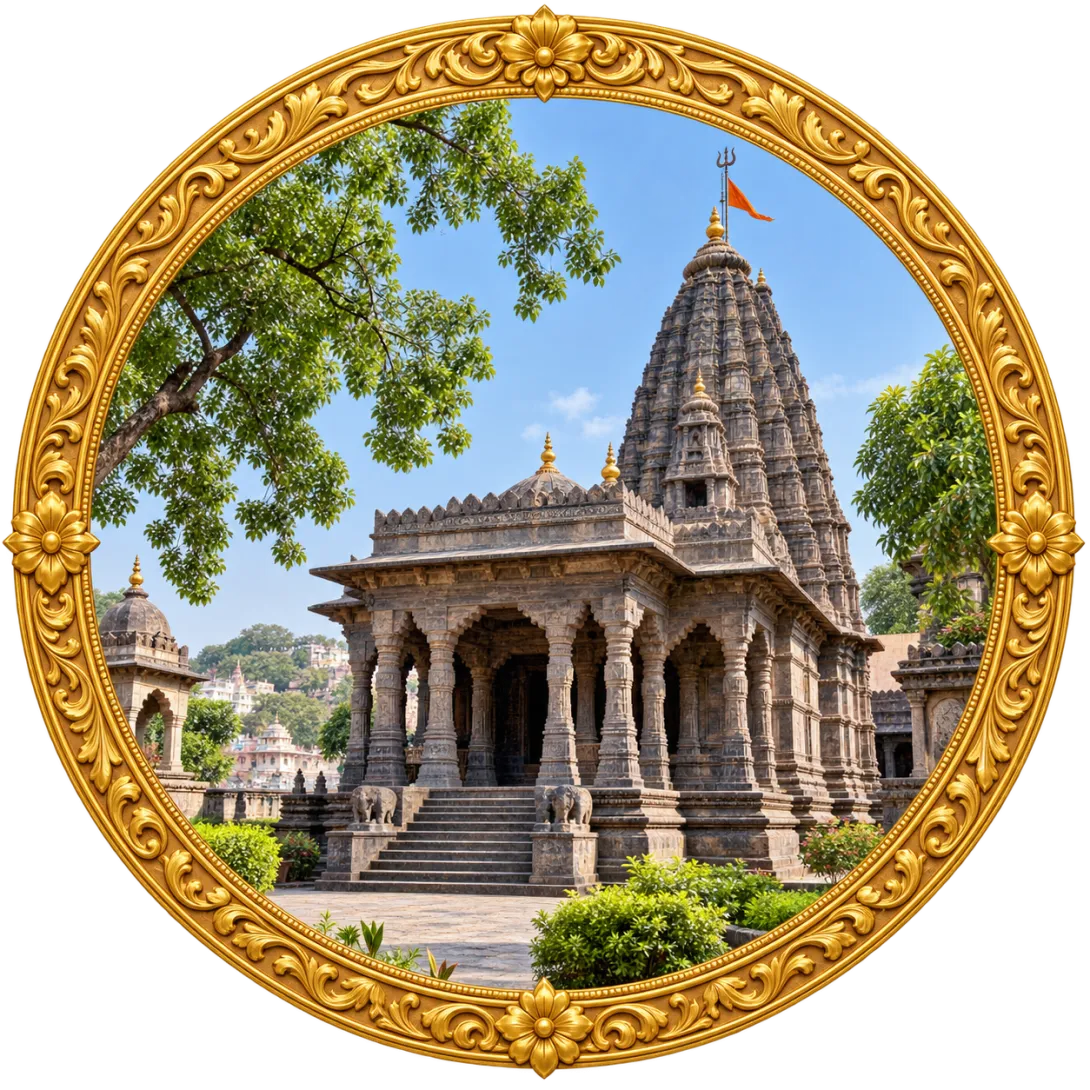
Ram Janardan Temple is a revered Hindu temple situated near Sandipani Ashram in Ujjain, Madhya Pradesh. The temple complex contains separate shrines dedicated to Lord Rama and Lord Janardan, another name for Lord Vishnu.

The present temple was constructed in the 17th century by Mirza Raja Jai Singh. During the 18th century, the Marathas added several structures, including the boundary wall and the water tank within the temple complex.

Although the present structure belongs mainly to the 17th and 18th centuries, several sculptures installed within the complex date back to the 11th and 12th centuries. These ancient images indicate that the site had religious importance long before the construction of the existing temple.

The peaceful surroundings, sacred idols, old paintings, and proximity to other important religious places make Ram Janardan Temple a valuable part of Ujjain’s spiritual and cultural heritage.

Ram Janardan Temple at a Glance

Particular

Details

Temple Name

Ram Janardan Temple

Location

Near Sandipani Ashram, Ujjain, Madhya Pradesh

Main Deities

Lord Rama and Lord Janardan

Lord Janardan Represents

Lord Vishnu

Constructed By

Mirza Raja Jai Singh

Construction Period

17th century

Later Additions

Made by the Marathas during the 18th century

Architectural Style

Rajput and Maratha-influenced Hindu temple architecture

Entry Fee

Free

Photography

Subject to temple regulations

Recommended Visit Duration

30–45 minutes

Best Days to Visit

Thursday, Sunday and festival days

Major Festivals

Ram Navami, Janmashtami, Diwali and Vaikuntha Ekadashi

Description

History of Ram Janardan Temple Ujjain

Ram Janardan Temple was constructed during the 17th century by Mirza Raja Jai Singh, the ruler of Amber. He was known for supporting the construction and restoration of religious buildings in different parts of India.

During the 18th century, when Ujjain came under strong Maratha influence, several additions were made to the temple complex. The Marathas constructed the boundary wall, developed the water tank, and decorated parts of the temple with traditional paintings.

The temple site is believed to be older than its present structure. Sculptures belonging to the 11th and 12th centuries have been installed in the walls and surrounding areas. An ancient image of Lord Vishnu near the water tank is especially admired for its sculptural beauty.

The temple therefore represents several historical periods, combining ancient sculptures with Rajput construction and Maratha artistic traditions.

Religious Significance of Ram Janardan Temple

The temple is dedicated to two important forms of divinity—Lord Rama and Lord Janardan. Lord Rama is worshipped as the seventh incarnation of Lord Vishnu and represents truth, righteousness, courage, and ideal conduct.

Lord Janardan is a form of Lord Vishnu who protects devotees and maintains harmony in the universe. The name Janardan is understood as the one who removes the sufferings of people and grants spiritual protection.

Devotees visit the temple to pray for:

  • Peace and prosperity in the family
  • Protection from difficulties
  • Success in important work
  • Wisdom and righteous conduct
  • Spiritual growth
  • Health and happiness
  • Fulfilment of sincere wishes

Worshipping Lord Rama and Lord Janardan together is considered spiritually auspicious because both represent the protective and compassionate qualities of Lord Vishnu.

Architecture of Ram Janardan Temple

Ram Janardan Temple displays a beautiful combination of traditional Hindu, Rajput, and Maratha architectural elements. The temple complex contains separate sanctums dedicated to Lord Rama and Lord Janardan.

The walls are decorated with Maratha-period paintings depicting religious stories and divine figures. The images of Govardhan-dhari Lord Krishna, Lord Brahma, Lord Vishnu, and Lord Mahesh are particularly notable for their artistic appearance.

Several sculptures dating from the 11th and 12th centuries can also be seen within the temple complex. These sculptures display the skill and religious traditions of medieval Indian craftsmen.

Important architectural features include:

  • Traditional temple sanctums
  • Carved stone sculptures
  • Maratha-period wall paintings
  • Images of Hindu gods and goddesses
  • A historic water tank
  • A protective boundary wall
  • Peaceful courtyards for prayer and meditation

The combination of different artistic periods makes the temple important from both religious and historical perspectives.

Ram Janardan Temple Timings

Activity

Timings

Temple Opens

06:00 AM

Morning Puja and Aarti

06:00 AM – 06:30 AM

Morning Darshan

06:00 AM – 12:00 PM

Afternoon Break

12:00 PM – 04:00 PM

Temple Reopens

04:00 PM

Evening Darshan

04:00 PM – 08:00 PM

Evening Aarti

07:00 PM – 07:30 PM

Temple Closes

08:00 PM

Timings may be changed by the temple administration during Ram Navami, Janmashtami, Diwali, eclipses, and other special religious occasions.

Best Time for Darshan

The best time for a peaceful darshan is between 06:30 AM and 09:00 AM. The temple atmosphere remains calm during the morning, making it suitable for prayer and meditation.

Devotees who wish to experience the evening aarti should arrive before 06:45 PM. Weekday mornings generally have fewer visitors than weekends and major festival days.

The most comfortable months for visiting Ujjain are October to March, when the weather is pleasant for temple sightseeing.

Daily Puja and Rituals

Daily worship at Ram Janardan Temple follows traditional Hindu rituals. The day begins with the opening of the sanctum, followed by the ceremonial worship of Lord Rama and Lord Janardan.

The principal rituals include:

  • Cleaning and preparation of the sanctum
  • Abhishek and ceremonial worship
  • Shringar of the deities
  • Offering of flowers and sacred leaves
  • Morning aarti
  • Bhog offering
  • Recitation of prayers and mantras
  • Evening deep aarti
  • Distribution of prasad

Devotees may chant the names of Lord Rama and Lord Vishnu or recite the Vishnu Sahasranama and Ram Raksha Stotra during their visit.

Offerings at Ram Janardan Temple

Devotees can offer simple puja materials according to temple customs. Common offerings include:

  • Fresh flowers
  • Flower garlands
  • Tulsi leaves
  • Fruits
  • Coconut
  • Incense sticks
  • Oil or ghee lamps
  • Sweets
  • Yellow cloth
  • Prasad
  • Donations for temple services

Tulsi leaves are especially associated with the worship of Lord Vishnu. Visitors should hand their offerings to the priest or place them only in the designated area.

Major Festivals Celebrated

Ram Navami

Ram Navami is one of the most important festivals celebrated at the temple. Lord Rama is worshipped with special decoration, prayers, bhajans, and aarti. A large number of devotees visit the temple on this occasion.

Janmashtami

Janmashtami celebrates the birth of Lord Krishna, an incarnation of Lord Vishnu. The temple is decorated, devotional songs are performed, and special pujas are organised.

Diwali

Diwali is celebrated with lamps, flowers, and special worship of Lord Rama. The illuminated temple creates a beautiful and devotional atmosphere.

Vaikuntha Ekadashi

Devotees worship Lord Janardan on Vaikuntha Ekadashi and observe fasting, prayer, and mantra chanting.

Kartik Purnima

Special prayers and lamp offerings are performed during the sacred month of Kartik. Devotees consider worship during this period highly auspicious.

Holi

Holi is celebrated with devotional songs and traditional rituals connected with Lord Rama and Lord Krishna.

Entry Fee and Visit Duration

There is no entry fee for visiting Ram Janardan Temple. General darshan is available to all devotees during the regular opening hours.

A visit usually takes 30 to 45 minutes. Visitors interested in observing the ancient sculptures, paintings, water tank, and nearby temples may spend up to one hour in the complex.

How to Reach Ram Janardan Temple Ujjain

By Air

The nearest airport is Devi Ahilyabai Holkar Airport in Indore. After reaching the airport, visitors can hire a taxi or travel to Ujjain by bus. The road journey generally takes 1.5 to 2 hours, depending on traffic.

By Train

Ujjain Junction is the nearest major railway station. It is connected with Indore, Bhopal, Delhi, Mumbai, Jaipur, Ahmedabad, Varanasi, and several other cities.

Auto-rickshaws, e-rickshaws, and taxis are available outside the railway station.

By Road

Ujjain is well connected by road with Indore, Bhopal, Dewas, Ratlam, Omkareshwar, and other cities of Madhya Pradesh. Government and private buses operate regularly.

Local buses, auto-rickshaws, e-rickshaws, and taxis can be used to reach the temple.

Approximate Distance from Important Places

Starting Point

Distance

Ujjain Junction Railway Station

4 km

Ujjain Bus Stand

4 km

Mahakaleshwar Jyotirlinga Temple

5 km

Sandipani Ashram

Less than 1 km

Gadkalika Temple

2 km

Mangalnath Temple

3 km

Kal Bhairav Temple

5 km

Indore Airport

55 km

Travel distance may vary depending on the selected route and current traffic conditions.

Nearby Places to Visit

Visitors can include the following religious and historical places in their itinerary:

  • Sandipani Ashram
  • Gomti Kund
  • Gadkalika Temple
  • Mangalnath Temple
  • Kal Bhairav Temple
  • Mahakaleshwar Jyotirlinga Temple
  • Harsiddhi Mata Temple
  • Ram Ghat
  • Bade Ganeshji Ka Mandir
  • Maharshi Sandipani Ved Vidya Pratishthan
  • Bhartrihari Caves

Suggested Ujjain Darshan Route

A convenient temple route can be planned in the following order:

  1. Mahakaleshwar Jyotirlinga Temple
  2. Harsiddhi Mata Temple
  3. Ram Ghat
  4. Gadkalika Temple
  5. Sandipani Ashram
  6. Ram Janardan Temple
  7. Mangalnath Temple
  8. Kal Bhairav Temple

The route can be adjusted according to traffic, temple timings, and festival arrangements.

Visitor Guidelines

  • Wear clean and modest clothes inside the temple.
  • Remove footwear before entering the worship area.
  • Maintain silence near the sanctum.
  • Do not touch the idols or ancient sculptures.
  • Follow the instructions given by priests and temple staff.
  • Confirm permission before taking photographs.
  • Place donations only in authorised donation boxes.
  • Avoid carrying leather items into the main worship area.
  • Keep the temple complex clean.
  • Visit early during festivals to avoid long queues.
  • Protect old paintings and sculptures by not touching the walls.
  • Check the day’s schedule locally during major festivals.

Conclusion

Ram Janardan Temple is one of Ujjain’s important historical and spiritual attractions. Constructed in the 17th century by Mirza Raja Jai Singh and later expanded by the Marathas, the temple preserves a remarkable combination of religious devotion, ancient sculpture, and traditional architecture.

The sacred shrines of Lord Rama and Lord Janardan, beautiful Maratha paintings, historic water tank, and peaceful surroundings make the temple worth visiting. A darshan at Ram Janardan Temple offers devotees an opportunity to seek divine protection, experience spiritual peace, and appreciate the rich cultural heritage of Ujjain.

Cover Image
Harsiddhi Mata Mandir Ujjain

Harsiddhi Mata Mandir Ujjain

Summary

Visit Harsiddhi Mata Mandir in Ujjain—one of the most revered Shakti temples in India and an important part of the sacred Ujjain pilgrimage. Situated near the Mahakaleshwar Jyotirlinga and Rudra Sagar, the temple is associated with Goddess Sati, Emperor Vikramaditya and ancient Shakti worship. Its two magnificent Deep Stambhs, powerful deity, Maratha-style architecture and grand Navratri celebrations create a deeply spiritual experience.

About Harsiddhi Mata Mandir Ujjain

Harsiddhi Mata Mandir is an ancient Shakti temple located near Rudra Sagar in Ujjain, Madhya Pradesh. It is traditionally counted among the sacred Shakti Peethas of India and is associated with the place where the elbow of Goddess Sati fell.

The temple was a principal place of worship for Emperor Vikramaditya, who regarded Harsiddhi Mata as his Kuldevi. The ancient shrine was developed through different historical periods, including the Paramara period. The present temple structure was rebuilt and renovated during Maratha rule in the eighteenth century.

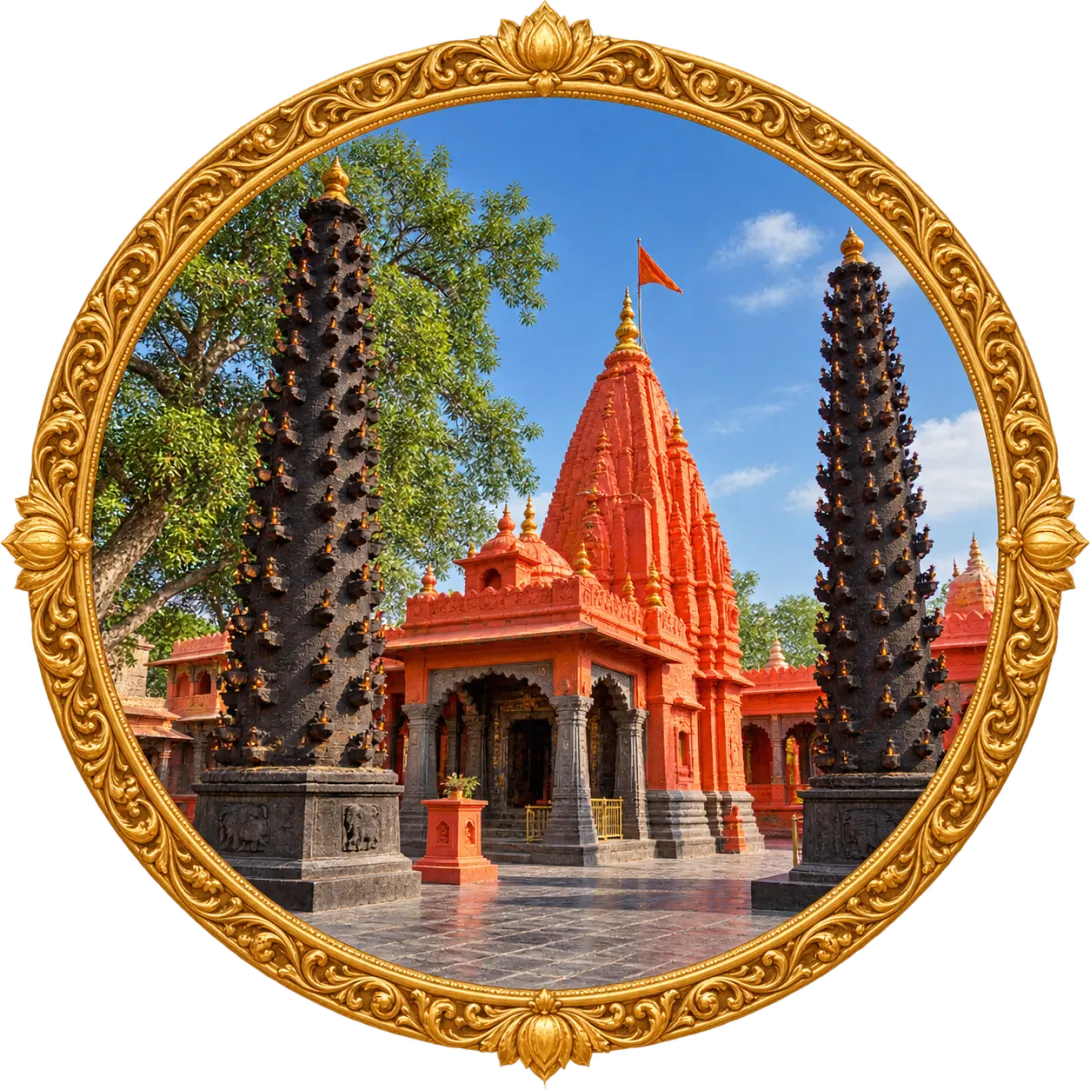
The temple is famous for two tall Deep Stambhs situated in its courtyard. These lamp towers contain rows of small oil lamps that are illuminated on special occasions, particularly during Navratri.

Temple Detail

Information

Temple Name

Harsiddhi Mata Mandir

Location

Near Rudra Sagar, Ujjain, Madhya Pradesh

Presiding Deity

Goddess Harsiddhi

Principal Form in Sanctum

Goddess Annapurna

Other Deities

Mahalakshmi and Mahasaraswati

Temple Category

Shakti Peetha

Fallen Part of Goddess Sati

Elbow

Associated King

Emperor Vikramaditya

Historical Development

Paramara and Maratha periods

Present Architectural Influence

Maratha architecture

Special Attraction

Two towering Deep Stambhs

Description

History of Harsiddhi Mata Mandir

Harsiddhi Mata Mandir occupies an important place among the ancient sacred sites of Ujjain, historically known as Avantika.

The shrine is closely associated with Emperor Vikramaditya, one of the most celebrated rulers in Indian tradition. Harsiddhi Mata was regarded as his Kuldevi and the divine protector of his kingdom.

According to temple tradition, Vikramaditya regularly worshipped the Goddess and received her blessings for courage, wisdom and victory. The ancient temple continued to develop under the rulers of the Paramara dynasty.

The temple underwent major renovation during the Maratha period in the eighteenth century. The present structure, courtyard, shrines and architectural decorations display strong Maratha influence.

The two famous Deep Stambhs also reflect the temple’s connection with the Paramara and Maratha traditions. These lamp towers have become the most recognisable architectural symbols of Harsiddhi Mata Mandir.

Shakti Peetha Story

According to Hindu tradition, Goddess Sati entered the sacrificial fire after her father, Daksha Prajapati, insulted Lord Shiva.

Overcome with grief, Lord Shiva carried Sati’s body and performed the Tandava. To restore balance to the universe, Lord Vishnu used his Sudarshan Chakra to divide the body of Sati. The places where her body parts and ornaments fell became sacred Shakti Peethas.

Harsiddhi Mata Mandir is traditionally regarded as the place where the elbow of Goddess Sati fell. The presence of the Goddess at this location makes the temple an important centre of Shakti worship.

Devotees believe that worshipping Harsiddhi Mata provides strength, protection, success and freedom from fear.

Origin of the Name Harsiddhi

The name “Harsiddhi” combines two words:

  • “Har” is a name of Lord Shiva.
  • “Siddhi” means success, accomplishment or spiritual perfection.

According to a Puranic tradition, two demons named Chand and Prachand attempted to enter Mount Kailash and created disturbance. Lord Shiva called upon Goddess Chandi to protect the sacred place.

The Goddess defeated the demons and restored peace. Pleased with her victory, Lord Shiva gave her the name Harsiddhi—the Goddess who grants success and accomplishes the divine will of Har.

Devotees worship her for success in important work, protection from obstacles and fulfilment of righteous wishes.

Connection with Emperor Vikramaditya

Emperor Vikramaditya is regarded as one of the greatest devotees of Harsiddhi Mata. The Goddess was his Kuldevi and the protector of his kingdom.

According to a popular tradition, Vikramaditya offered his head to the Goddess eleven times. Each time, Harsiddhi Mata restored him to life because of his extraordinary devotion.

Eleven vermilion-covered symbolic heads associated with this tradition can be seen within the temple complex. The story represents Vikramaditya’s complete surrender, courage and devotion to the Goddess.

The temple is also associated with the spiritual practices of the great poet Kalidasa, who is traditionally believed to have received divine blessings in Ujjain.

Deities Worshipped in the Temple

The main sanctum contains three important forms of the Divine Mother.

Goddess Annapurna

The central deity is Goddess Annapurna, painted in a deep vermilion colour. She represents nourishment, abundance, compassion and the divine power that sustains all living beings.

Goddess Mahalakshmi

Goddess Mahalakshmi represents prosperity, well-being, fortune and material as well as spiritual abundance.

Goddess Mahasaraswati

Goddess Mahasaraswati represents knowledge, wisdom, learning, speech and creative intelligence.

The presence of these three forms represents the complete power of the Divine Mother through nourishment, prosperity and knowledge.

Sri Yantra at Harsiddhi Temple

A sacred Sri Yantra is installed in the temple. The Sri Yantra is an important geometrical representation of Shakti and the union of divine masculine and feminine energy.

It is worshipped for:

  • Spiritual progress
  • Prosperity and abundance
  • Removal of obstacles
  • Protection from negative influences
  • Success in sacred practices
  • Mental concentration
  • Harmony in family life
  • Fulfilment of righteous wishes

The presence of the Sri Yantra also makes Harsiddhi Temple important in Shakta and Tantric traditions.

Spiritual Significance of Harsiddhi Mata Mandir

Harsiddhi Mata is worshipped as a powerful form of Goddess Durga who grants success and protects devotees from danger.

Devotees visit the temple to seek:

  • Success in important work
  • Protection from negative forces
  • Courage and confidence
  • Good health and family well-being
  • Prosperity and financial stability
  • Knowledge and wisdom
  • Relief from fear and anxiety
  • Victory over obstacles
  • Harmony in relationships
  • Spiritual strength
  • The fulfilment of righteous wishes
  • The blessings of the Divine Mother

The temple is also considered an important place for Shakti worship, mantra chanting, meditation and spiritual discipline.

Architecture of Harsiddhi Mata Mandir

The present temple displays strong Maratha architectural influence. Its red and saffron-coloured structure, traditional courtyard, sacred shrines and towering Deep Stambhs create a powerful visual identity.

The temple has entrances facing different directions, with the principal entrance opening into a spacious courtyard.

The main architectural features include:

  • Maratha-style temple design
  • Red and saffron exterior
  • Four directional entrances
  • Traditional sanctum
  • Spacious inner courtyard
  • Two monumental Deep Stambhs
  • Smaller subsidiary shrines
  • Sri Yantra
  • Historic sculptures
  • Views towards Rudra Sagar
  • Decorative arches and pillars

The temple combines elements developed during the Paramara and Maratha periods.

Deep Stambhs of Harsiddhi Temple

The two towering lamp pillars in the temple courtyard are the most famous features of Harsiddhi Mata Mandir.

Each Deep Stambh contains several rows of small holders for oil lamps. When the lamps are illuminated, the entire courtyard glows with golden light.

The two pillars are traditionally associated with Lord Shiva and Goddess Shakti. Together, they represent divine energy, spiritual knowledge and the removal of darkness.

Deep Stambh lighting is organised on selected religious occasions, particularly during Navratri. Devotees may also sponsor the lighting through the temple’s authorised arrangement.

Because preparing, filling and lighting the lamps requires trained workers and significant quantities of oil, sponsorship should be arranged in advance through the temple office.

Harsiddhi Mata Mandir Timings

The temple remains open daily for devotees.

Activity

Time

Temple Opens

5:00 AM

Morning Darshan Begins

5:00 AM

Morning Puja

6:00 AM

Morning Aarti

7:00 AM–8:00 AM

Regular Darshan

8:00 AM–12:00 PM

Bhog Offering

12:00 PM

Afternoon Darshan

12:30 PM–5:30 PM

Evening Puja Begins

5:30 PM

Deep Stambh Lighting

6:30 PM on scheduled occasions

Evening Aarti

6:00 PM–7:00 PM

Temple Closes

7:00 PM

The temple remains open for extended hours during Chaitra Navratri, Sharadiya Navratri, major Shakti festivals and Simhastha Kumbh. Deep Stambh lighting is not part of the regular daily schedule and is performed on scheduled occasions. Visitors should check the notice displayed at the temple before planning a specific ritual.

Best Time for Darshan

The best time for peaceful darshan is between 5:30 AM and 7:00 AM. Devotees can experience the calm morning atmosphere before the temple becomes crowded.

Evening between 5:30 PM and 7:00 PM is ideal for attending aarti. On the days when the Deep Stambhs are illuminated, this becomes the most visually impressive time to visit.

October to March is the most comfortable period for visiting Ujjain. Both Chaitra Navratri and Sharadiya Navratri offer grand celebrations, but the temple receives very large crowds during these festivals.

Daily Puja and Seva

Daily worship at Harsiddhi Mata Mandir follows traditional Shakta customs.

The principal rituals include:

  • Morning cleansing of the sanctum
  • Mangal Puja
  • Abhishek
  • Sindoor and kumkum offering
  • Shringar of the Goddess
  • Morning Aarti
  • Mantra chanting
  • Bhog offering
  • Sri Yantra worship
  • Evening Puja
  • Sandhya Aarti
  • Lamp offering
  • Special Navratri Yajna

The Goddess is decorated with clothes, jewellery, flowers and garlands according to the day and festival.

Deep Stambh Lighting Ritual

The Deep Stambh lighting ritual requires several stages of preparation:

  1. The lamp holders are cleaned.
  2. Cotton wicks are placed in each lamp.
  3. Oil is carefully filled.
  4. Trained workers climb the pillars.
  5. The lamps are illuminated in a planned sequence.
  6. The main aarti is performed after the pillars are lit.

Devotees should observe the ceremony only from designated areas and should not cross the safety barricades around the lamp towers.

Inverted Swastik Tradition

A distinctive wish-fulfilment tradition is associated with Harsiddhi Mata Mandir.

Devotees draw or tie an inverted Swastik while praying for a particular wish. After the wish is fulfilled, they return to the temple and place the Swastik in its regular upright form as an expression of gratitude.

The Swastik is an ancient Hindu symbol of auspiciousness, prosperity, protection and positive energy. Visitors should follow the method explained by authorised temple priests and use only designated spaces.

Offerings at Harsiddhi Mata Mandir

Devotees may offer:

  • Red flowers
  • Flower garlands
  • Kumkum and sindoor
  • Red chunari
  • Coconut
  • Fruits
  • Sweets
  • Halwa
  • Puri
  • Cloves and cardamom
  • Bangles
  • Shringar items
  • Ghee lamps
  • Oil for the Deep Stambhs
  • Donations for temple seva
  • Contributions for Navratri Yajna
  • Annapurna bhog offerings

Offerings should be submitted at the authorised counter or handed to a temple priest.

Major Festivals Celebrated

Sharadiya Navratri

Sharadiya Navratri is the most important festival at Harsiddhi Mata Mandir. The temple is decorated with flowers and lights, while special worship, Yajna, mantra chanting and devotional programs are organised.

The Deep Stambhs are illuminated on selected days, attracting large numbers of devotees.

Chaitra Navratri

Chaitra Navratri is celebrated with nine days of worship, fasting, Durga Saptashati recitation, bhog and special aarti.

Durga Ashtami

Special puja, havan, Kanya Pujan and devotional offerings are organised on Durga Ashtami.

Maha Navami

Maha Navami is observed with elaborate worship and the completion of Navratri rituals.

Diwali

The temple is decorated with lamps during Diwali. Devotees worship the Goddess for prosperity, protection and positive energy.

Simhastha Kumbh

During Simhastha Kumbh, saints, pilgrims and Shakti worshippers from across India visit the temple.

Other important occasions include Purnima, Amavasya, Gupt Navratri and special days dedicated to Goddess Durga.

Entry Fee and Visit Duration

Visitor Information

Details

General Entry

Free

Regular Darshan

Free

General Visit Duration

20–40 minutes

Visit During Aarti

45–60 minutes

Navratri Darshan Duration

1–3 hours

Deep Stambh Sponsorship

Available through authorised temple arrangements

Footwear

Must be removed before entering

Photography

Follow the displayed temple rules

How to Reach Harsiddhi Mata Mandir

By Air

Devi Ahilyabai Holkar Airport in Indore is the nearest airport, situated approximately 55–60 kilometres from Ujjain.

Taxis and buses are available from Indore Airport to Ujjain.

By Train

Ujjain Junction is the nearest railway station. It is well connected with Indore, Bhopal, Delhi, Mumbai, Ahmedabad, Jaipur and other major cities.

The temple is approximately 2–3 kilometres from Ujjain Junction. Auto-rickshaws, e-rickshaws and taxis are available outside the station.

By Road

Ujjain is well connected with Indore, Bhopal, Dewas, Ratlam, Omkareshwar and nearby cities.

Harsiddhi Mata Mandir is located close to Mahakaleshwar Jyotirlinga and can be reached by walking, e-rickshaw, auto-rickshaw or taxi.

Distance from Major Places

Place

Distance

Mahakaleshwar Jyotirlinga

500 metres

Shri Mahakal Mahalok

500 metres–1 kilometre

Ram Ghat

1–2 kilometres

Ujjain Junction

2–3 kilometres

Kal Bhairav Temple

6–7 kilometres

Indore Airport

55–60 kilometres

Nearby Places to Visit

Visitors can combine Harsiddhi Mata darshan with these nearby sacred places:

  • Mahakaleshwar Jyotirlinga
  • Shri Mahakal Mahalok
  • Rudra Sagar
  • Ram Ghat
  • Bade Ganesh Ji Temple
  • Vikramaditya Tila
  • Gopal Mandir
  • Gadkalika Temple
  • Kal Bhairav Temple
  • Mangalnath Temple
  • Sandipani Ashram
  • Bhartrihari Caves
  • Chintaman Ganesh Temple

Suggested Ujjain Darshan Order

A convenient pilgrimage sequence can be:

  1. Mahakaleshwar Jyotirlinga
  2. Bade Ganesh Ji Temple
  3. Harsiddhi Mata Mandir
  4. Ram Ghat
  5. Gadkalika Temple
  6. Bhartrihari Caves
  7. Kal Bhairav Temple
  8. Siddhavat
  9. Mangalnath Temple
  10. Sandipani Ashram

Visitor Guidelines

  • Wear modest and respectful clothing.
  • Remove footwear before entering the temple.
  • Maintain silence during puja and aarti.
  • Do not touch the deities, Sri Yantra or sacred objects.
  • Offer kumkum, chunari and other materials only at designated places.
  • Do not approach the Deep Stambhs while they are being prepared or lit.
  • Follow the safety barricades during lamp-lighting ceremonies.
  • Keep mobile phones switched off or on silent mode.
  • Follow the temple’s photography and videography rules.
  • Avoid pushing during Navratri and festival darshan.
  • Keep children under supervision in crowded areas.
  • Purchase puja materials from authorised shops.
  • Keep the temple premises clean.
  • Reach early during Navratri because queues can become very long.

Conclusion

Harsiddhi Mata Mandir is one of Ujjain’s most important centres of Shakti worship. Its Shakti Peetha tradition, association with Emperor Vikramaditya, Maratha-style architecture, sacred Sri Yantra and magnificent Deep Stambhs give the temple exceptional spiritual and cultural importance.

The presence of Goddess Annapurna between Mahalakshmi and Mahasaraswati represents nourishment, prosperity and knowledge. A visit to Harsiddhi Mata Mandir allows devotees to seek courage, protection, success and the compassionate blessings of the Divine Mother.

Cover Image
Shri Kal Bhairav Temple Ujjain

Shri Kal Bhairav Temple Ujjain

Summary

Visit Shri Kal Bhairav Temple in Ujjain—one of the most powerful and distinctive shrines dedicated to Lord Kal Bhairav, the fierce guardian form of Lord Shiva. Situated in the Bhairavgarh area near the banks of the Shipra River, the temple is famous for its ancient Tantric traditions and the unique ritual of offering liquor to the deity. Lord Kal Bhairav is worshipped as the guardian, protector and commander of the sacred city of Ujjain.

About Shri Kal Bhairav Temple Ujjain

Shri Kal Bhairav Temple is an ancient Shiva temple located in Bhairavgarh, Ujjain, Madhya Pradesh. The temple is dedicated to Kal Bhairav, a powerful manifestation of Lord Shiva associated with time, justice, protection and the destruction of negative forces.

According to temple tradition, the original shrine was built by King Bhadrasen. It is also mentioned in the Avanti Khanda of the Skanda Purana, which establishes its ancient religious connection with Ujjain.

The present temple structure displays strong Maratha architectural influence. Mahadji Shinde, an important Maratha leader, is traditionally associated with the restoration and development of the temple during the eighteenth century.

Lord Kal Bhairav is known as the “Kotwal of Ujjain,” meaning the divine guardian and protector of the city. Devotees traditionally seek his permission and blessings while undertaking the complete pilgrimage of Ujjain.

Temple Detail

Information

Temple Name

Shri Kal Bhairav Temple

Location

Bhairavgarh, Ujjain, Madhya Pradesh

Presiding Deity

Lord Kal Bhairav

Form of

Lord Shiva

Original Temple Builder

King Bhadrasen

Ancient Reference

Avanti Khanda of Skanda Purana

Major Restoration

Maratha period

Associated Patron

Mahadji Shinde

Special Ritual

Offering liquor to the deity

Religious Traditions

Shaiva, Nath and Tantric traditions

Divine Status

Kotwal and guardian of Ujjain

Description

History of Shri Kal Bhairav Temple

The history of Shri Kal Bhairav Temple goes back to ancient Ujjain, traditionally known as Avantika. The temple is mentioned in the Avanti Khanda of the Skanda Purana and has remained an important centre of Bhairav worship for centuries.

According to tradition, King Bhadrasen constructed the original temple on the banks of the Shipra River. Ancient sculptures associated with Lord Shiva, Goddess Parvati, Lord Vishnu and Lord Ganesha have been found in the temple area. Several of these sculptures are connected with the Paramara period.

Ujjain was historically an important centre of Shaiva, Kapalika, Nath and Aghora traditions. Kal Bhairav worship occupied a significant position in these traditions because Bhairav is considered the protector of sacred places and the destroyer of fear, ego and negative energy.

The temple was renovated and expanded during the Maratha period. Its present architectural appearance reflects this Maratha influence.

Mahadji Shinde is closely associated with the temple’s history. After the Third Battle of Panipat in 1761, he is believed to have offered his turban to Lord Kal Bhairav and prayed for success in restoring Maratha authority in northern India. Following his later military success, he supported the restoration of the temple.

Who Is Lord Kal Bhairav?

Lord Kal Bhairav is a fierce manifestation of Lord Shiva. The word “Kaal” means time, death and destiny, while “Bhairav” refers to the powerful divine form that removes fear and destroys negativity.

Kal Bhairav represents the power beyond time and death. He is considered the protector of sacred cities, temples, pilgrimage routes and devotees.

His traditional appearance includes:

  • A fierce expression
  • A garland of skulls
  • A trident
  • A damaru
  • A sword or staff
  • A black dog as his divine vehicle
  • Flames representing spiritual power
  • Ornaments associated with Shaiva and Tantric traditions

Despite his fierce appearance, devotees worship Kal Bhairav as a compassionate guardian who protects sincere worshippers from danger, injustice and negative influences.

Origin Story of Lord Kal Bhairav

According to a popular Puranic story, a disagreement once arose between Lord Brahma and Lord Vishnu regarding who was supreme.

Lord Brahma became filled with pride and spoke disrespectfully about Lord Shiva. To remove this ego and restore divine order, Lord Shiva manifested the fierce form of Kal Bhairav.

Kal Bhairav removed one of Brahma’s five heads, destroying the pride associated with it. However, because the act involved Brahma, Bhairav had to undertake a journey of penance.

After visiting several sacred places, he was freed from the burden of this act. He was then given the responsibility of protecting sacred cities and maintaining divine justice.

This story presents Kal Bhairav as the destroyer of ego, false pride, injustice and misuse of knowledge.

Kal Bhairav as the Guardian of Ujjain

Lord Kal Bhairav is worshipped as the Kotwal and Senapati of Ujjain. The word “Kotwal” refers to the guardian or chief protector of a city, while “Senapati” means commander.

Ujjain is regarded as the city of Lord Mahakaleshwar. Kal Bhairav serves as the guardian of Mahakal’s sacred city and protects its temples, pilgrimage routes and devotees.

Many pilgrims visit Kal Bhairav Temple before or after the darshan of Mahakaleshwar Jyotirlinga. Devotees believe that a pilgrimage to Ujjain becomes spiritually complete after receiving the blessings of Kal Bhairav.

Deity of Shri Kal Bhairav

The principal deity is represented by a sacred stone face covered with sindoor or vermilion. The deity is decorated with silver ornaments, expressive eyes, flower garlands and a traditional Maratha-style turban.

Only the face of Kal Bhairav is prominently visible. The deity’s mouth contains a small opening through which the traditional liquor offering is presented by the temple priest.

The silver head ornament and Maratha-style turban are connected with the temple’s association with Mahadji Shinde and the Maratha period.

Liquor Offering at Kal Bhairav Temple

The most distinctive ritual at Shri Kal Bhairav Temple is the offering of liquor to the deity. This practice is connected with ancient Tantric forms of Bhairav worship.

Devotees purchase an offering basket containing flowers, coconut, incense and a sealed bottle of liquor. The basket is handed to an authorised temple priest.

The priest pours a small quantity of the liquor into a shallow plate, recites prayers and places the plate near the deity’s mouth. Devotees observe the liquid gradually disappear while the offering is being made.

Important guidelines for this ritual include:

  • Purchase offerings only from authorised counters or trusted shops.
  • Hand the sealed bottle to the authorised temple priest.
  • Do not attempt to pour liquor directly into the deity’s mouth.
  • Do not consume liquor inside the temple premises.
  • Follow the priest’s instructions regarding the remaining offering.
  • Maintain discipline and treat the ritual as a sacred religious practice.
  • Do not photograph the ritual if temple authorities prohibit it.

The liquor offering should be understood within its specific Shaiva and Tantric religious tradition rather than as ordinary consumption.

Spiritual Significance of Shri Kal Bhairav Temple

Devotees believe that worshipping Lord Kal Bhairav helps remove fear, confusion, injustice and negative influences. He is also worshipped for discipline, courage and the proper use of time.

People visit the temple to seek:

  • Protection from enemies and negative forces
  • Relief from fear and anxiety
  • Courage during difficult situations
  • Success in legal and official matters
  • Protection while travelling
  • Freedom from harmful habits
  • Discipline and control over anger
  • Relief from obstacles and repeated delays
  • Spiritual strength and mental clarity
  • The blessings of Lord Shiva
  • Protection from untimely danger
  • Progress in Shaiva spiritual practices

Kal Bhairav is also regarded as the guardian of directions and time. Devotees believe that respecting time, maintaining discipline and living truthfully are essential parts of his worship.

Architecture of Shri Kal Bhairav Temple

The present structure of Kal Bhairav Temple reflects Maratha architectural influence while preserving the sacred character of the older shrine.

The temple has a traditional entrance, open courtyard, pillared sections and a compact sanctum containing the face of Lord Kal Bhairav.

Its architectural features include:

  • Traditional Maratha-style construction
  • An enclosed sanctum
  • Pillared worship spaces
  • Open courtyard
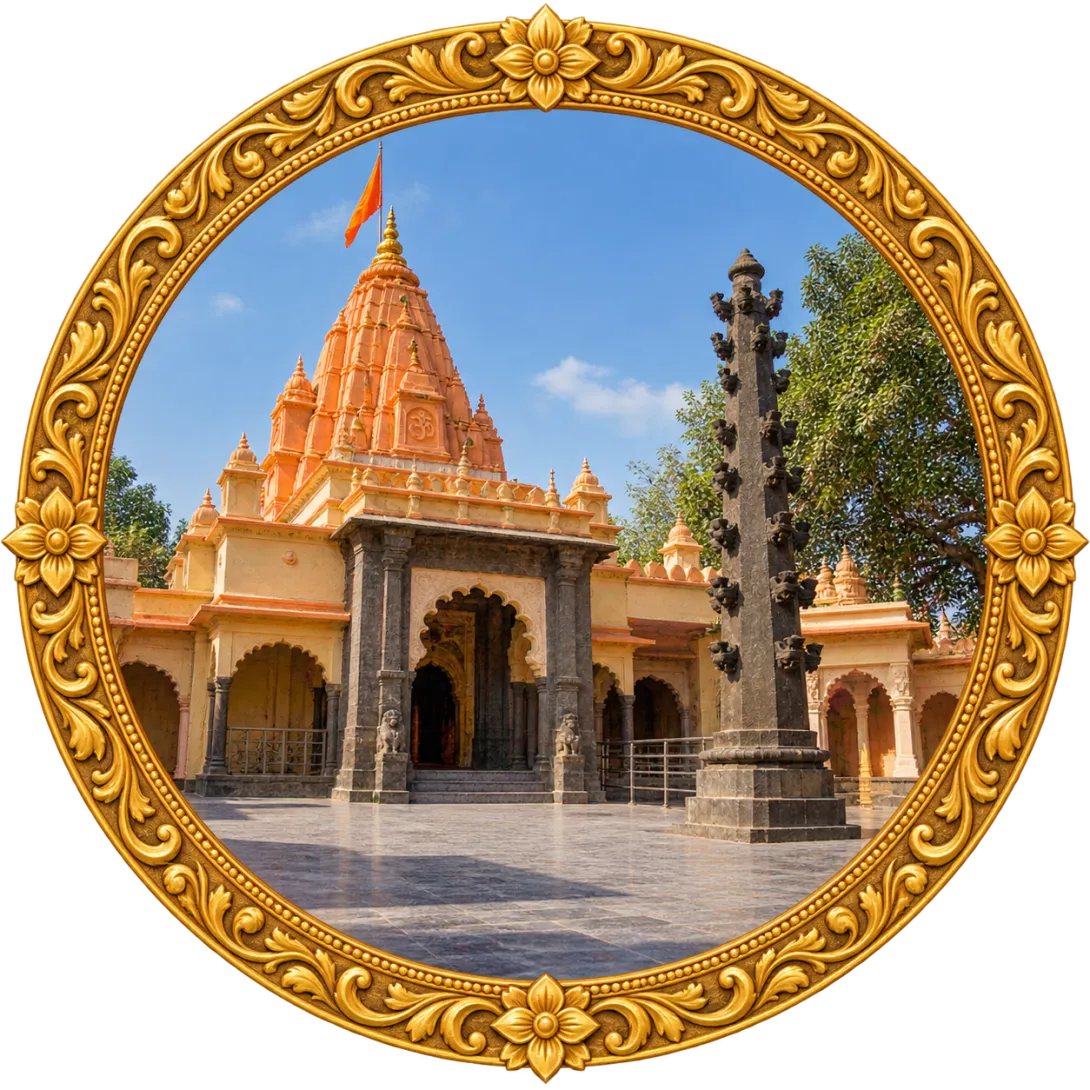
  • Deepmalika or tower of lamps
  • Historic sculptures
  • Decorative arches
  • Traces of old Malwa paintings
  • Silver decoration on the deity
  • Sacred location near the Shipra River

The temple walls were once decorated with paintings in the Malwa style. Portions and traces of this artwork can still be observed in the complex.

Shri Kal Bhairav Temple Timings

The temple generally remains open throughout the day without a regular afternoon closure.

Activity

Time

Temple Opens

6:00 AM

Morning Darshan Begins

6:00 AM

Morning Puja and Aarti

7:00 AM

Regular Darshan

7:30 AM–12:00 PM

Bhog Offering

12:00 PM

Afternoon Darshan

12:30 PM–5:30 PM

Evening Puja Begins

6:00 PM

Evening Aarti

7:00 PM

Final Darshan

7:30 PM–8:00 PM

Temple Closes

8:00 PM

The temple may remain open for extended hours during Kal Bhairav Ashtami, Mahashivaratri, Shravan, Sundays, public holidays and major Ujjain festivals. Ritual timings can also be revised during special pujas and Simhastha arrangements. Visitors should check the schedule displayed at the temple entrance before attending a specific aarti.

Best Time for Darshan

The best time for a peaceful darshan is between 6:00 AM and 8:00 AM. The crowd is generally lighter, and devotees can attend the morning puja and aarti.

Another suitable period is between 3:00 PM and 5:00 PM. This allows visitors to complete darshan before the evening crowd increases.

Sundays, Tuesdays, Saturdays, Kal Bhairav Ashtami and festival days attract larger numbers of devotees.

October to March is the most comfortable period to visit Ujjain. Devotees visiting during summer should plan early-morning or evening darshan because afternoon temperatures can be high.

Daily Puja and Seva

The temple follows traditional Shaiva and Bhairav worship practices.

Daily rituals include:

  • Morning cleansing of the sanctum
  • Shringar of Lord Kal Bhairav
  • Sindoor application
  • Flower and garland offerings
  • Morning Aarti
  • Liquor offering ritual
  • Bhog offering
  • Recitation of Kal Bhairav Ashtakam
  • Mustard oil lamp offering
  • Evening Puja
  • Sandhya Aarti
  • Special prayers for protection

Priests perform liquor offerings for devotees throughout the regular darshan period.

Kal Bhairav Ashtakam

The Kal Bhairav Ashtakam is one of the most important devotional hymns recited at the temple. It is traditionally associated with Adi Shankaracharya.

Devotees recite this hymn to seek freedom from fear, negative thoughts, ego and spiritual obstacles. It praises Kal Bhairav as the guardian of sacred cities, the controller of time and the compassionate protector of devotees.

The mantra commonly chanted during worship is:

Om Kalabhairavaya Namah

Another simple prayer is:

Om Bhairavaya Namah

Offerings at Shri Kal Bhairav Temple

Devotees may offer:

  • Liquor through the authorised temple priest
  • Sindoor
  • Mustard oil
  • Black sesame seeds
  • Black gram
  • Coconut
  • Lemon
  • Fresh flowers
  • Flower garlands
  • Incense
  • Ghee or oil lamps
  • Sweets
  • Black cloth
  • Donations for temple seva
  • Food for dogs

Because the black dog is regarded as the vehicle of Lord Bhairav, feeding dogs is considered an important act of devotion.

Suitable foods for dogs include plain roti, milk, biscuits prepared without harmful ingredients and other safe food items.

Major Festivals Celebrated

Kal Bhairav Ashtami

Kal Bhairav Ashtami, also called Bhairav Jayanti, is the temple’s most important festival. It commemorates the appearance of Lord Kal Bhairav.

The temple is decorated with flowers and lamps, while special puja, abhishek, aarti, chanting and night worship are performed.

Mahashivaratri

Mahashivaratri is celebrated with special worship of Lord Shiva and Kal Bhairav. Devotees observe fasting, chant Shiva mantras and visit the temple after Mahakaleshwar darshan.

Shravan Month

The sacred month of Shravan attracts large numbers of Shiva devotees. Mondays and Sundays are particularly busy.

Bhairav Ashtami of Every Month

The Ashtami tithi of Krishna Paksha is considered favourable for Kal Bhairav worship. Devotees offer oil lamps, sindoor, black sesame and special prayers.

Simhastha Kumbh

During the Simhastha Kumbh in Ujjain, the temple receives a very large number of saints, pilgrims and members of different Shaiva traditions.

Other important occasions include Holi, Diwali, Kartik Amavasya, Navratri and special Shaiva festivals.

Entry Fee and Darshan Options

Visitor Information

Details

General Entry

Free

Regular Darshan

Free

Paid Quick or VIP Darshan

Available according to current temple rules

General Darshan Duration

20–40 minutes

Busy-Day Darshan Duration

1–2 hours

Footwear

Must be removed before entry

Photography

Follow the displayed temple rules

Paid quick-darshan arrangements and charges may be revised by the temple administration.

How to Reach Shri Kal Bhairav Temple

By Air

Devi Ahilyabai Holkar Airport in Indore is the nearest airport, situated approximately 55–60 kilometres from Ujjain.

Taxis and buses are available from Indore Airport to Ujjain. The road journey takes approximately 1.5 hours, depending on traffic.

By Train

Ujjain Junction is the nearest major railway station. It is well connected with Indore, Bhopal, Delhi, Mumbai, Jaipur, Ahmedabad, Varanasi and other major cities.

Kal Bhairav Temple is approximately 7–8 kilometres from Ujjain Junction. Auto-rickshaws, e-rickshaws and taxis are available outside the station.

By Road

Ujjain is well connected with Indore, Bhopal, Dewas, Omkareshwar, Ratlam and nearby cities.

Visitors can reach Kal Bhairav Temple by:

  • Auto-rickshaw
  • E-rickshaw
  • Taxi
  • Private vehicle
  • Local sightseeing bus
  • Shared vehicle

The temple is situated in the Bhairavgarh area and is generally included in Ujjain local temple tours.

Nearby Places to Visit

Visitors can combine Kal Bhairav Temple darshan with these nearby places:

  • Vikrant Bhairav Temple
  • Siddhavat
  • Mangalnath Temple
  • Sandipani Ashram
  • Gadkalika Temple
  • Bhartrihari Caves
  • Mahakaleshwar Jyotirlinga
  • Shri Mahakal Mahalok
  • Harsiddhi Mata Temple
  • Ram Ghat
  • Gopal Mandir
  • Chintaman Ganesh Temple
  • Navlakhi Shani Temple

Suggested Ujjain Darshan Order

A convenient pilgrimage sequence can be:

  1. Mahakaleshwar Jyotirlinga
  2. Harsiddhi Mata Temple
  3. Ram Ghat
  4. Gadkalika Temple
  5. Bhartrihari Caves
  6. Kal Bhairav Temple
  7. Siddhavat
  8. Mangalnath Temple
  9. Sandipani Ashram

The route can be adjusted according to the starting point, temple timings and crowd conditions.

Visitor Guidelines

  • Wear modest and respectful clothing.
  • Remove footwear before entering the temple.
  • Purchase liquor offerings only from authorised counters.
  • Hand offerings only to an authorised priest.
  • Do not pour liquor directly on the deity.
  • Do not consume alcohol inside or near the temple premises.
  • Maintain silence and discipline during the offering ritual.
  • Do not touch the deity or silver decorations.
  • Follow the queue and barricade system.
  • Keep mobile phones on silent mode.
  • Follow the temple’s photography restrictions.
  • Keep children under supervision in crowded areas.
  • Protect personal belongings from monkeys.
  • Feed dogs only safe and suitable food.
  • Do not leave empty bottles, plastic or puja materials outside the temple.
  • Visit early during weekends and festivals to avoid long queues.

Conclusion

Shri Kal Bhairav Temple is one of Ujjain’s most powerful and culturally distinctive religious sites. Originally associated with King Bhadrasen and later restored during the Maratha period, the temple preserves ancient Shaiva and Tantric traditions.

Lord Kal Bhairav’s position as the Kotwal of Ujjain, the sacred liquor-offering ritual, the deity’s striking form and the temple’s connection with Mahadji Shinde make it an extraordinary pilgrimage destination. A visit to Shri Kal Bhairav Temple offers devotees an opportunity to seek protection, courage, discipline and the blessings of Lord Shiva’s fierce yet compassionate guardian form.

Kaal Sarp Dosh Puja

Kaal Sarp Dosh Puja is a Hindu ritual to mitigate the negative effects of the Kaal Sarp Dosh... Read More
Kaal Sarp Dosh Puja is a Hindu ritual to mitigate the negative effects of the Kaal Sarp Dosh READ LESS
View Full Description
Book this Puja

🐍 Kalsarp Dosh Puja – Remedy for Cosmic Imbalance

Kalsarp Dosh Puja is a powerful Vedic ritual performed to neutralize the malefic effects of Rahu and Ketu when all planets are positioned between them in one’s birth chart. This alignment creates a symbolic serpent curse, leading to delays, struggles, and emotional unrest. Our expert pandits conduct this puja with full Vedic procedure to restore harmony and unlock spiritual progress.

🔱 Why Perform Kalsarp Dosh Puja?

Removes obstacles in career, marriage, health, and finances

Brings peace of mind and emotional stability

Neutralizes karmic imbalances from past lives

Enhances spiritual growth and protection from negative energies

Ideal for those facing repeated failures despite efforts


🪔 Puja Vidhi (Step-by-Step Procedure)

Sankalp (Vow): The devotee takes a resolution with the guidance of the pandit.

Kalash Sthapana: A sacred water pot is placed with mango leaves and coconut.

Invocation of Rahu & Ketu: Special mantras are chanted to appease these shadow planets.

Abhishek of Shiva Lingam: Milk, honey, Gangajal, and bel leaves are offered while chanting mantras.

Naag Puja: Silver serpent idols are worshipped to represent Rahu and Ketu.

Havan (Fire Ritual): Offerings are made into the sacred fire with Vedic chants.

Aarti & Prasad: Final prayers are offered and prasad is distributed.


📿 Powerful Mantras

1. Kalsarp Dosh Nivaran Mantra

ॐ नमो भगवते वासुदेवाय ॐ नमः शिवाय ॐ राहवे नमः ॐ केतवे नमः

2. Maha Mrityunjaya Mantra

Om Tryambakam Yajamahe Sugandhim Pushtivardhanam Urvarukamiva Bandhanan Mrityor Mukshiya Maamritat

3. Rahu Beej Mantra

ॐ भ्रां भ्रीं भ्रौं सः राहवे नमः॥

4. Ketu Beej Mantra

ॐ स्ट्रां स्त्रीं स्त्रौं सः केतवे नमः॥

🌐 Service Details for hargharpanditji.com

Puja Duration: 1.5 to 2 hours

Location Options: Home, Office, Temple, Online

Pandit Booking: Certified Vedic Pandits with years of experience

Inclusions: Puja Samagri, Silver Naag idols, Personalized Sankalp

Online Booking: WhatsApp, Call, or Website Form

Languages Available: Hindi, English, Sanskrit


reviews up comming
HealingGuruji

HarGharPandit Ji is an online platform facilitating the booking of puja ceremonies. Users can easily search for pujas by city and type, browse detailed descriptions, and book services with verified pandits. The app aims to provide a seamless and trustworthy experience for spiritual service bookings.

 
Quick Links

© 2026 HarGharPandit Ji. All rights reserved.