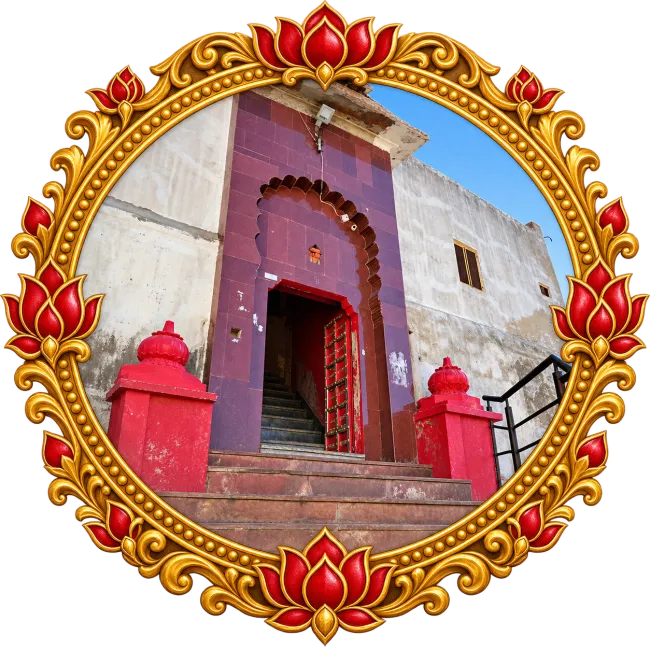
Savitri Mata Temple, Pushkar
Visit Savitri Mata Temple in Pushkar, a sacred hilltop shrine dedicated to Goddess Savitri, the first consort of Lord Brahma. Situated on Ratnagiri Hill, the temple is known for its spiritual importance, ancient deity, connection with the Brahma Yajna legend and magnificent views of Pushkar Lake, the surrounding desert and the Aravalli Hills.
Devotees can reach the temple by climbing the traditional stone steps or using the Savitri Mata Ropeway.
About Savitri Mata Temple Pushkar
Savitri Mata Temple is one of the most important religious places in Pushkar, Rajasthan. It is located on the summit of Ratnagiri Hill, behind the famous Jagatpita Brahma Temple.
The temple is dedicated to Goddess Savitri, also identified with Goddess Saraswati in some religious traditions. She represents knowledge, purity, wisdom, dignity and the power of truth.
The hilltop location gives the temple a commanding view of Pushkar town, Pushkar Lake, Nag Pahar, surrounding temples and the desert landscape. Sunrise and sunset are particularly beautiful when viewed from the temple premises.
The shrine is closely connected with the mythology of Lord Brahma’s yajna at Pushkar. Therefore, many pilgrims visit Brahma Temple, Savitri Mata Temple and Gayatri Mata Temple as part of the same pilgrimage.
History of Savitri Mata Temple
The sacred association of Ratnagiri Hill with Goddess Savitri is ancient. The deity worshipped at the temple is traditionally considered significantly older than the present building, with accounts associating the idol with the 7th century.
The hilltop temple was constructed in 1687. Historical records also associate its construction with the priest of Maharaja Ajit Singh of Marwar.
The structure was subsequently reconstructed by the Bangar family during the early 20th century. The reconstruction helped preserve the shrine and made it more suitable for regular worship and pilgrimage.
For many years, devotees reached the temple only by climbing the steep stone pathway. A ropeway was later introduced to make the journey more convenient for senior citizens, families and visitors unable to complete the uphill trek.
Despite these developments, the temple maintains its traditional religious identity and continues to be one of Pushkar’s most revered Shakti shrines.
Who Built Savitri Mata Temple and When?
Savitri Mata Temple has undergone more than one phase of construction and restoration.
The present structure reflects both the older religious tradition of the hill and the reconstruction completed during the early 20th century.
Legend of Goddess Savitri and Lord Brahma
According to Hindu mythology, Lord Brahma selected Pushkar as the location for a sacred yajna. Goddess Savitri, his consort, was required to sit beside him during the ceremony.
The auspicious time for beginning the ritual was approaching, but Goddess Savitri had not arrived. Since the yajna could not be delayed, Lord Brahma married Goddess Gayatri and began the ceremony with her.
When Savitri reached Pushkar and found Gayatri sitting beside Brahma, she became angry. She cursed Lord Brahma that he would not be widely worshipped, despite being the creator of the universe. Pushkar was permitted to remain the principal place where he could be worshipped.
After leaving the yajna, Savitri went to Ratnagiri Hill and established herself there. According to local tradition, her position on the higher hill represents her status as the first consort of Lord Brahma. Goddess Gayatri is worshipped on a lower hill on the opposite side of Pushkar.
The Brahma, Savitri and Gayatri temples collectively represent this important Pushkar legend.
Religious Significance
Savitri Mata Temple is an important destination for devotees seeking the blessings of the Divine Mother. Goddess Savitri represents self-respect, wisdom, marital strength, purity and determination.
The uphill journey is also regarded as a form of spiritual discipline. Many devotees choose to climb the steps despite the availability of the ropeway because they consider the physical effort an expression of devotion.
Devotees visit Savitri Mata Temple to pray for:
- Peace and happiness in married life
- Family unity
- Wisdom and knowledge
- Courage during difficult circumstances
- Protection from negative influences
- Fulfilment of wishes
- Strength and self-confidence
- Blessings for marriage
- Health and prosperity
- Spiritual progress
Married women particularly worship Goddess Savitri for the well-being and longevity of their husbands and the stability of their families.
Architecture of Savitri Mata Temple
The temple has a relatively simple design compared with the elaborate palaces and temples found elsewhere in Rajasthan. Its spiritual importance and spectacular location are its most notable features.
Hilltop Location
The temple stands on Ratnagiri Hill, overlooking Pushkar. Its elevated location represents the dignity and prominent position of Goddess Savitri within Pushkar’s sacred geography.
Main Sanctum
The sanctum contains the deity of Goddess Savitri. Goddess Gayatri is also represented within the temple’s religious arrangement. The deities are decorated with colourful garments, crowns, flowers and ornaments.
Prayer Hall
A prayer space in front of the sanctum allows devotees to offer flowers, coconut, sweets and prayers. The hall becomes crowded during aarti and festival celebrations.
Traditional Structure
The building contains features associated with traditional Rajasthani temple design, including stonework, arches, a raised sanctum and a visible temple spire.
Panoramic Views
The temple premises provide panoramic views of:
- Pushkar Lake and its ghats
- Jagatpita Brahma Temple
- Pushkar town
- Nag Pahar
- Aravalli Hills
- Desert landscape
- Surrounding villages and agricultural fields
The early morning view is particularly impressive because the rising sun illuminates the lake, hills and town below.
Savitri Mata Temple Timings
The temple follows a morning and evening darshan schedule with an afternoon break.
The schedule can be changed during Navratri, Kartik Purnima and other special celebrations. Devotees planning to attend a particular ceremony should check the displayed programme at the temple or ropeway entrance.
Best Time for Darshan
The best time to visit Savitri Mata Temple is between 5:30 AM and 9:00 AM. Morning weather is pleasant, and visitors can experience beautiful views of sunrise over Pushkar.
For an evening visit, the period between 4:30 PM and 6:30 PM is suitable. Visitors can enjoy the changing colours of the sky and return before it becomes dark.
October to March is the most comfortable season for climbing Ratnagiri Hill. Summers in Pushkar can be extremely hot, so climbing during the afternoon should be avoided.
The temple becomes particularly crowded during:
- Navratri
- Kartik Purnima
- Pushkar Fair
- Full-moon days
- Weekends
- Public holidays
Visitors seeking a peaceful experience should choose an ordinary weekday morning.
Daily Puja and Aarti
Daily worship at Savitri Mata Temple includes the ceremonial decoration of the deity, chanting of mantras, presentation of bhog and offering of lamps.
The regular rituals include:
- Morning cleaning and decoration of the sanctum
- Flower and garland offerings
- Morning puja
- Mangala Aarti
- Recitation of Devi mantras
- Presentation of fruits and sweets
- Evening puja
- Sandhya Aarti
- Closing prayers
During aarti, devotees sing prayers dedicated to Goddess Savitri and the Divine Mother. The combination of temple bells, devotional chants and the peaceful hilltop surroundings creates a distinctive spiritual atmosphere.
Savitri Mata Ropeway
The Savitri Mata Ropeway provides a convenient way to reach the summit of Ratnagiri Hill. The cable-car journey offers views of Pushkar, the lake and the surrounding hills.
The ropeway is especially useful for:
- Senior citizens
- Families with children
- Visitors with limited time
- Pilgrims unable to climb steep steps
- Travellers visiting during warmer weather
Ropeway Timings
The ropeway schedule is dependent on daylight, weather, wind speed, maintenance and operational safety. Operations may be temporarily suspended during strong winds, rain or technical inspection.
Tickets must be purchased from the authorised ropeway counter. Current fares should be checked at the ticket window because charges may be revised.
Trek and Stairway to the Temple
Pilgrims may also reach the temple using the traditional stone pathway. The climb includes several hundred steps and can take between 30 minutes and one hour depending on personal fitness and weather conditions.
Trekking Tips
- Begin the climb before 8:00 AM.
- Carry sufficient drinking water.
- Wear comfortable footwear with a proper grip.
- Avoid climbing during the summer afternoon.
- Take regular breaks.
- Do not leave plastic bottles or waste on the hill.
- Keep food securely packed.
- Senior citizens should assess their health before climbing.
- Descend before dark if not using the ropeway.
- Avoid isolated paths outside the marked route.
The climb can be physically demanding, but the views and peaceful atmosphere at the summit make the journey rewarding.
Major Festivals Celebrated
Navratri
Navratri is the principal festival celebrated at Savitri Mata Temple. The deity is decorated in special garments and ornaments, and devotees offer flowers, coconuts and chunri.
Both Chaitra Navratri and Sharad Navratri attract large numbers of pilgrims.
Kartik Purnima
Kartik Purnima is Pushkar’s most significant pilgrimage occasion. Devotees take a sacred bath in Pushkar Lake, visit Brahma Temple and then offer prayers at Savitri Mata Temple.
Pushkar Fair
The annual Pushkar Fair coincides with the Kartik festival period. The temple receives pilgrims and travellers from different parts of India and abroad.
Diwali
The temple is decorated with lamps during Diwali. Special worship is performed for happiness, prosperity and family well-being.
Full-Moon Days
Purnima is regarded as an auspicious time to worship Goddess Savitri. Devotees visit the shrine after performing prayers at Pushkar Lake.
Savitri Vrat
Married women observe Savitri Vrat for the long life and well-being of their husbands. Special prayers are offered to Goddess Savitri as a symbol of marital devotion, courage and determination.
Offerings and Prasad
Devotees may offer:
- Red chunri
- Flowers and garlands
- Coconut
- Sindoor
- Bangles
- Fruits
- Sweets
- Incense
- Ghee for lamps
- Sacred thread
- Donations through authorised counters
Offerings should be purchased from authorised shops or counters. Plastic packaging should not be left on the hill or within the temple premises.
Prasad is distributed according to the temple’s daily arrangements and festival schedule.
Entry Fee and Visit Duration
There is no general entry fee for entering Savitri Mata Temple. Ropeway tickets must be purchased separately.
Visitors should allow additional time during weekends, Navratri and Kartik Purnima because of ropeway queues.
How to Reach Savitri Mata Temple
Savitri Mata Temple is situated on Ratnagiri Hill, approximately 2–3 kilometres from Pushkar Bus Stand.
From Pushkar Town
Auto-rickshaws and local vehicles can take visitors to the base of Ratnagiri Hill. From the base, visitors can choose between the stairway and ropeway.
The temple is also accessible on foot from Pushkar Lake and Brahma Temple, although the total walking distance depends on the selected route.
By Air
Kishangarh Airport is approximately 40–45 kilometres from Pushkar. Taxis are available for Pushkar and Ajmer.
Jaipur International Airport is approximately 145 kilometres away and provides wider domestic and international connectivity.
By Train
Ajmer Junction is the nearest major railway station, approximately 15–17 kilometres from Pushkar. Buses, taxis and shared vehicles operate between Ajmer and Pushkar.
By Bus
Regular buses connect Pushkar with Ajmer. Direct services are also available from Jaipur and other cities of Rajasthan.
By Road
Pushkar is connected with Ajmer through a well-maintained road passing across Nag Pahar. Private cars and taxis can reach the parking area near the base of Ratnagiri Hill.
Nearby Places to Visit
Brahma Temple
Jagatpita Brahma Temple is the most important temple in Pushkar and should be included with a visit to Savitri Mata Temple.
Pushkar Lake
The sacred Pushkar Lake is surrounded by numerous ghats where devotees perform religious rituals and attend evening aarti.
Gayatri Mata Temple
Gayatri Mata Temple is situated on another hill and forms an important part of the Brahma–Savitri–Gayatri pilgrimage tradition.
Varaha Temple
Varaha Temple is dedicated to Lord Vishnu’s boar incarnation and is one of Pushkar’s prominent historic shrines.
Rangji Temple
Rangji Temple is dedicated to Lord Ranganatha and combines South Indian, Rajput and Mughal architectural elements.
Pap Mochani Temple
Pap Mochani Temple is another hill shrine in Pushkar dedicated to the Goddess. Devotees visit it to pray for freedom from past sins and negative karmic influences.
Pushkar Market
Pushkar Market is known for religious items, handicrafts, jewellery, textiles, rose products and traditional Rajasthani goods.
Visitor Guidelines
- Wear modest and comfortable clothing.
- Carry water when climbing the hill.
- Use footwear suitable for stone steps.
- Remove footwear before entering the shrine.
- Avoid climbing during intense afternoon heat.
- Do not litter on Ratnagiri Hill.
- Purchase ropeway tickets only from the authorised counter.
- Follow ropeway safety instructions.
- Do not enter restricted areas.
- Maintain silence during puja and aarti.
- Follow photography restrictions near the sanctum.
- Keep children under supervision.
- Senior citizens should consider using the ropeway.
- Start descending before dark when travelling on foot.
- Allow additional time during Navratri and Kartik Purnima.
Conclusion
Savitri Mata Temple is one of Pushkar’s most important spiritual and scenic destinations. Situated on Ratnagiri Hill, the temple represents the dignity, wisdom and strength of Goddess Savitri and preserves the famous legend associated with Lord Brahma’s yajna.
The original hilltop temple was constructed in 1687 and reconstructed by the Bangar family during the early 20th century. Its ancient deity, traditional worship, challenging stairway and panoramic location give the temple a distinctive identity.
Whether visitors climb the sacred steps or use the ropeway, reaching the summit provides a memorable combination of devotion, natural beauty and panoramic views. A pilgrimage to Pushkar becomes more meaningful when Brahma Temple, Pushkar Lake and Savitri Mata Temple are visited together.