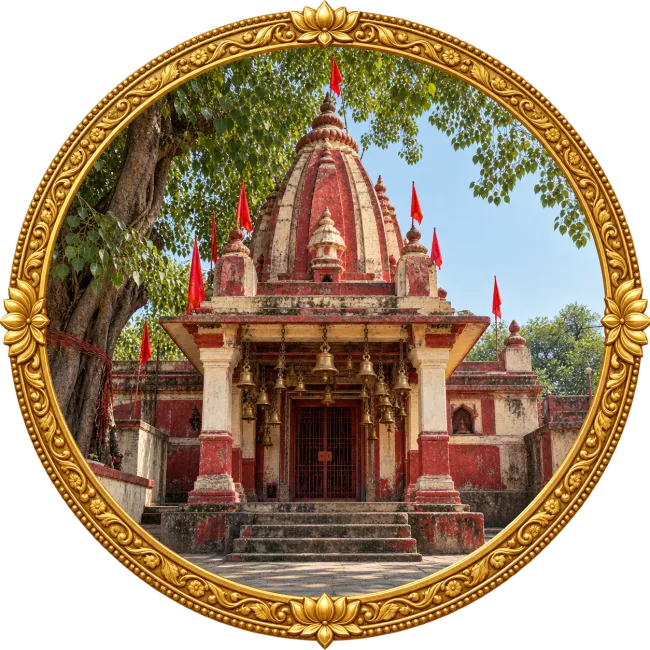
Balaji Temple Badaun
Visit Balaji Temple Badaun, popularly known as Shri Sankat Mochan Balaji Darbar or Hanumangarhi Temple, a prominent religious destination dedicated to Lord Hanuman. Located on the Badaun–Ujhani Road near Loda-Baheri village, the temple is recognised for its magnificent Hanuman idol, peaceful atmosphere, daily worship, and grand Hanuman Jayanti celebrations.
Devotees visit the temple to seek protection, courage, good health, success, and relief from personal difficulties. Tuesdays and Saturdays are especially important, and the temple receives visitors from Badaun, Bareilly, Shahjahanpur, Pilibhit, Agra, Delhi, Meerut, and several other places.
About Balaji Temple Badaun
Balaji Temple in Badaun is a famous shrine dedicated to Lord Hanuman, who is respectfully worshipped as Balaji and Sankat Mochan. The temple is also locally known as Shri Sankat Mochan Balaji Darbar and Hanumangarhi Mandir.
The temple is situated near Loda-Baheri village on the Badaun–Ujhani Road. Its principal attraction is the enormous and beautifully decorated image of Lord Hanuman. The impressive form of Bajrangbali can be seen from a distance and inspires a deep sense of devotion among visitors.
The temple is considered a powerful centre of Hanuman worship. Devotees believe that prayers offered here with sincerity help them overcome fear, illness, family problems, financial difficulties, and other obstacles.
Regular pujas, morning and evening aartis, Hanuman Chalisa recitations, Sundarkand Path, bhajans, and religious gatherings are organised at the temple. The peaceful surroundings and devotional environment make it suitable for both individual prayer and family visits.
History of Balaji Temple Badaun
The establishment of Balaji Temple began in 1998 when land near Loda-Baheri village was acquired for the construction of a permanent shrine dedicated to Lord Hanuman.
After several years of construction and religious preparations, the sacred idol was formally installed in 2004. The consecration transformed the site into Shri Sankat Mochan Balaji Darbar, and it gradually became one of the prominent Hanuman temples in the Badaun region.
The temple’s development was supported by priests, devotees, local residents, and members of the temple committee. Additional spaces for worship, religious programmes, festivals, and visitor facilities were developed as the number of devotees increased.
The temple celebrates its annual foundation festival along with Hanuman Jayanti. Both occasions attract large gatherings and include special pujas, devotional singing, aarti, religious processions, and prasad distribution.
Religious Significance of Balaji Temple
Lord Hanuman is worshipped as the embodiment of strength, courage, devotion, wisdom, and selfless service. The title “Sankat Mochan” means the remover of troubles, while “Balaji” is a popular devotional name used for Lord Hanuman in several parts of northern India.
Devotees believe that worshipping Lord Balaji provides protection from fear, negative influences, illness, and difficult circumstances. Students pray for concentration and confidence, working professionals seek success, and families pray for health, peace, and prosperity.
Common reasons for visiting the temple include:
- Relief from obstacles and personal difficulties
- Protection from fear and negative energy
- Good health and mental strength
- Success in education, employment, and business
- Peace and harmony in the family
- Courage to face difficult circumstances
- Fulfilment of religious vows
- Blessings before starting an important undertaking
- Spiritual discipline and inner confidence
Tuesday and Saturday are considered the most auspicious days for Lord Hanuman. The temple therefore receives more devotees on these days.
The Sacred Form of Lord Balaji
The large idol of Lord Hanuman is the principal attraction of the temple. The deity represents strength, fearlessness, devotion, and divine protection.
Lord Hanuman is decorated with sindoor, flowers, garlands, ornaments, and colourful clothes. During major festivals, the deity receives special shringar and is adorned with an elaborate floral decoration.
Devotees stand before the sacred image, recite the Hanuman Chalisa, and offer their prayers. Many worshippers also chant the name of Lord Rama because Hanuman is considered the greatest devotee of Shri Ram.
The sight of the towering Hanuman image creates a powerful spiritual impression and distinguishes the shrine from smaller neighbourhood temples.
Architecture of Balaji Temple Badaun
Balaji Temple has a modern North Indian temple design. The architecture has been developed to accommodate regular worship as well as large religious gatherings.
The temple complex includes a principal worship area containing the sacred image of Lord Hanuman. There are spaces where devotees can stand for darshan, perform parikrama, offer prayers, and participate in aarti.
Religious flags, bells, images of Hindu deities, devotional inscriptions, and colourful decorations contribute to the temple’s atmosphere. The open surroundings near the Badaun–Ujhani Road make the temple noticeable and easily accessible.
During Hanuman Jayanti and the annual temple festival, the complex is decorated with flowers, lights, flags, and religious banners.
Balaji Temple Badaun Timings
The regular darshan schedule is as follows:
The temple remains open throughout the week. Darshan and ritual timings may be extended during Hanuman Jayanti, the annual temple festival, Ram Navami, Tuesdays, Saturdays, and other major religious occasions.
Best Time for Darshan
The best time for peaceful darshan is between 5:00 AM and 8:00 AM. Visitors can attend the morning puja, recite the Hanuman Chalisa, and spend time in prayer before the temple becomes crowded.
Devotees wishing to attend the evening aarti should reach the temple before 6:30 PM. The atmosphere during the evening ceremony becomes especially devotional with lamps, bells, and the collective singing of Hanuman prayers.
October to March is the most comfortable period for visiting Badaun. During summer, the morning and evening sessions are preferable because afternoon temperatures can be high.
Tuesday and Saturday are spiritually important but generally more crowded. Visitors seeking a quieter experience can visit on a weekday morning.
Daily Puja and Aarti
The daily worship begins with the opening of the temple and the ceremonial preparation of the deity. The idol is decorated with fresh flowers, garlands, sindoor, clothes, and ornaments before the morning aarti.
Regular religious activities include:
- Morning puja and aarti
- Sindoor and jasmine oil offering
- Hanuman Chalisa recitation
- Bajrang Baan recitation
- Ram Naam chanting
- Sundarkand Path
- Bhog offering
- Evening puja and aarti
- Bhajan and kirtan
- Prasad distribution
Special pujas may be arranged for health, protection, success, family welfare, and fulfilment of vows. Devotees should contact the authorised temple office or priest for special worship arrangements.
Major Festivals Celebrated at the Temple
Hanuman Jayanti
Hanuman Jayanti is the principal festival celebrated at Balaji Temple Badaun. Lord Hanuman receives a special ceremonial bath, chola, shringar, garlands, and bhog.
Devotees participate in Hanuman Chalisa, Sundarkand Path, bhajans, aarti, and religious processions. The temple resembles a festive fairground as large numbers of visitors gather for darshan.
Annual Temple Festival
The anniversary of the idol’s consecration is celebrated as the temple’s annual festival. Special puja, havan, devotional programmes, and prasad distribution form part of the celebration.
Ram Navami
Ram Navami holds special significance because Lord Hanuman is the devoted servant of Lord Rama. Devotees chant Ram Naam and participate in special worship dedicated to Shri Ram and Hanuman.
Tuesdays and Saturdays
Tuesday and Saturday are observed as weekly special days. Devotees offer sindoor, jasmine oil, red cloth, flowers, coconuts, and laddus.
Deepavali and Govardhan Puja
The temple is decorated with lamps during Deepavali. Special prayers may also be performed during Govardhan Puja and other festivals connected with Hindu devotional traditions.
Offerings and Prasad
The most common offering at the temple is boondi or besan laddu. Devotees may also offer:
- Sindoor
- Jasmine oil
- Red flowers
- Red cloth or chola
- Coconut
- Incense sticks
- Mustard oil lamps
- Bananas and seasonal fruits
- Sacred thread
- Religious flags
A portion of the offered sweets is returned as prasadam. During special festivals, bhandaras and community meals may be organised for devotees.
Visitors should purchase offerings from authorised sellers and place them only in designated areas.
Entry Fee and Visit Duration
There is no entry fee for general darshan at Balaji Temple Badaun. Devotees may contribute voluntarily through the temple’s authorised donation arrangements.
A regular visit usually requires 30 minutes to one hour. On Tuesdays and Saturdays, visitors may need additional time because of longer queues. During Hanuman Jayanti and the annual festival, two or more hours may be required for darshan.
How to Reach Balaji Temple Badaun
By Train
Badaun Railway Station is the nearest major railway station. It is connected with Bareilly, Kasganj, Mathura, and other regional destinations. Auto-rickshaws, e-rickshaws, and taxis are available from the station to the temple.
Ujhani Railway Station may also be convenient for visitors travelling through the Badaun–Kasganj railway route.
By Road
The temple is located on the Badaun–Ujhani Road near Loda-Baheri village. Badaun is connected by road with Bareilly, Shahjahanpur, Kasganj, Moradabad, Aligarh, and Delhi.
Visitors can reach the temple by local bus, auto-rickshaw, taxi, or private vehicle. Those travelling from Badaun city should follow the road towards Ujhani.
By Air
Bareilly Airport is the nearest operational airport. Visitors can hire a taxi or travel by road from Bareilly to Badaun. Indira Gandhi International Airport in Delhi is the nearest major international airport.
Nearby Places to Visit
Visitors can also explore:
- Gauri Shankar Temple
- Nagla Sharki Temple
- Jama Masjid Badaun
- Ghanta Ghar Badaun
- Ujhani
- Badaun city markets
- Chhote Sarkar Dargah
- Bade Sarkar Dargah
Visitor Guidelines
- Wear modest and respectful clothing.
- Remove footwear before entering the main worship area.
- Maintain silence near the deity.
- Follow the designated darshan queue.
- Avoid touching the idol unless permission is given.
- Offer sindoor and oil only at designated places.
- Keep personal belongings and valuables secure.
- Do not throw plastic, flowers, or food waste in the complex.
- Use authorised counters for donations and special pujas.
- Avoid blocking the entrance while taking photographs.
- Senior citizens should visit during weekday mornings.
- Check the festival schedule before visiting on Hanuman Jayanti.
Conclusion
Balaji Temple Badaun, also known as Shri Sankat Mochan Balaji Darbar and Hanumangarhi Temple, is an important centre of Hanuman worship in the district. The land for the temple was acquired in 1998, and the sacred idol was installed in 2004. Since then, it has grown into a major religious destination for devotees from Badaun and other parts of northern India.
The magnificent Hanuman idol, daily pujas, morning and evening aartis, Hanuman Jayanti celebrations, and peaceful atmosphere make the temple an inspiring place of worship. Devotees visit the shrine with faith that Lord Balaji will give them strength, remove their difficulties, and bless their families with health, happiness, and prosperity.