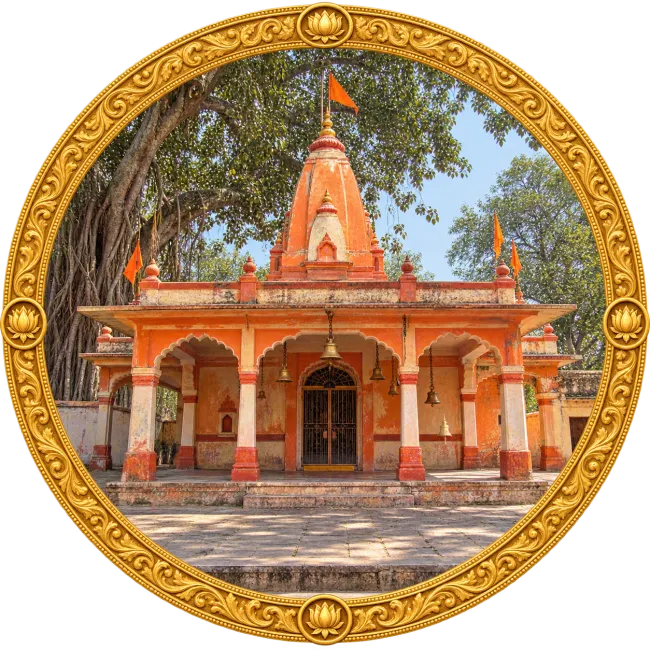
Pilua Mahavir Temple Etawah
Pilua Mahavir Temple in Etawah is a famous Hanuman temple known for its spiritually significant reclining idol of Lord Hanuman. Situated in Pilua village near the Yamuna River, the temple attracts devotees from Etawah and neighbouring regions throughout the year. The sacred idol, local traditions, peaceful rural setting, and strong faith associated with the shrine make it one of the most important religious places in the district.
Devotees visit Pilua Mahavir Temple to pray for courage, protection, good health, success, and relief from difficulties. Tuesdays, Saturdays, Hanuman Jayanti, and Budhwa Mangal are especially important, when the temple witnesses a large gathering of worshippers.
About Pilua Mahavir Temple Etawah
Pilua Mahavir Temple, also known as Pilua Mahaveer Hanuman Mandir, is located in Pilua village in the Etawah district of Uttar Pradesh. The temple is dedicated to Lord Hanuman, who is worshipped here in a distinctive reclining form.
According to local tradition, the temple is more than 300 years old. Its establishment is associated with Raja Hukum Dev Pratap Singh Chauhan, a former ruler of the region. It is believed that Lord Hanuman appeared in the king’s dream and revealed the location of the sacred idol.
When the idol was discovered, the king reportedly attempted to move it to another location. However, despite repeated efforts, the idol could not be lifted. Considering this a divine indication, the king ordered the construction of a temple at the same spot.
The shrine is locally known for the belief that the idol accepts laddus offered by devotees. Worshippers also believe that the sound of “Ram-Ram” can sometimes be experienced near the deity. These traditions form an important part of the temple’s spiritual identity and are regarded with deep faith by devotees.
History of Pilua Mahavir Temple
The history of Pilua Mahavir Temple is closely connected with the religious traditions and former ruling families of the Etawah region. According to the most widely followed local account, the temple was established more than 300 years ago during the rule of Raja Hukum Dev Pratap Singh Chauhan.
The story states that Lord Hanuman appeared in the king’s dream and instructed him to search for a sacred idol hidden at a particular place. Following the divine message, the king and his attendants reached the indicated location and discovered the idol.
The king initially decided to install the idol near his palace. However, the idol could not be moved from the place where it had been found. The king interpreted this event as Lord Hanuman’s wish to remain at that location. He therefore constructed a temple around the idol and arranged for its regular worship.
Over time, the temple became an important centre of Hanuman worship. Generations of local families, saints, priests, and devotees contributed to the preservation of its rituals and religious traditions. Today, Pilua Mahavir Temple is visited by people from Uttar Pradesh, Madhya Pradesh, Rajasthan, and other parts of India.
Religious Significance of Pilua Mahavir Temple
Lord Hanuman is worshipped as the symbol of strength, devotion, courage, wisdom, and selfless service. Devotees believe that praying at Pilua Mahavir Temple provides protection from fear, negative influences, illness, and difficult circumstances.
The temple is particularly significant because the idol of Lord Hanuman is shown in a reclining position. The deity faces south, a direction that holds special importance in several traditions of Hanuman worship. South-facing forms of Lord Hanuman are often associated with protection from harmful forces and relief from obstacles.
Many devotees visit the temple to recite the Hanuman Chalisa, Sundarkand, Bajrang Baan, and Ram Raksha Stotra. The chanting of Lord Rama’s name is also an essential part of worship because Lord Hanuman is considered the greatest devotee of Lord Rama.
People commonly pray here for:
- Protection from fear and negative energy
- Relief from physical and mental difficulties
- Success in work, education, and business
- Strength to overcome personal challenges
- Peace and harmony within the family
- Fulfilment of religious vows
- Courage, confidence, and spiritual discipline
Devotees who believe that their wishes have been fulfilled often return to offer laddus, sindoor, flowers, and a chola to Lord Hanuman.
The Sacred Idol of Lord Hanuman
The principal attraction of Pilua Mahavir Temple is its unusual reclining idol of Lord Hanuman. The idol is considered self-manifested by devotees and is believed to possess a powerful divine presence.
One of the best-known local traditions associated with the temple is that laddus offered near the mouth of the idol appear to disappear. Devotees consider this to be Lord Hanuman’s acceptance of their offering. Another belief states that the idol appears to breathe and that the chanting of Lord Rama’s name can be heard in the sanctum.
These accounts are part of the temple’s long-standing oral tradition. For devotees, they represent the living presence of Lord Hanuman and strengthen the sacred character of the shrine.
Architecture of Pilua Mahavir Temple
Pilua Mahavir Temple has a traditional North Indian temple design. Its architecture is simple and devotional, with the sanctum serving as the spiritual centre of the complex. The reclining idol of Lord Hanuman is installed inside the main sanctum.
The temple has spaces where devotees can stand for darshan, offer prayers, and participate in aarti. Religious symbols, images of Lord Rama and Hanuman, bells, flags, and sacred decorations contribute to its devotional atmosphere.
The rural surroundings and proximity to the Yamuna region give the temple a peaceful character. Although the temple becomes crowded on special days, the sound of bells, devotional songs, and continuous chanting creates an energetic spiritual environment.
Pilua Mahavir Temple Timings
The regular darshan schedule is as follows:
On Tuesdays, Saturdays, Hanuman Jayanti, Budhwa Mangal, and other major occasions, darshan arrangements may be extended or modified according to the number of devotees and temple ceremonies.
Best Time for Darshan
The best time for peaceful darshan is between 5:00 AM and 8:00 AM. The atmosphere is calm during the early morning, and devotees can participate in the initial worship rituals with less crowding.
Those wishing to attend the evening aarti should reach the temple before 6:30 PM. Tuesdays and Saturdays are especially auspicious but usually attract larger crowds.
October to March is the most comfortable period for visiting because the weather remains pleasant. During summer, devotees should preferably visit in the morning or evening and avoid travelling during the hottest afternoon hours.
Daily Puja and Religious Rituals
Daily worship at Pilua Mahavir Temple begins with the opening of the sanctum and the ceremonial awakening of the deity. The idol is decorated with flowers, sindoor, clothes, and ornaments. Incense, lamps, and devotional offerings are presented during the puja.
Important forms of worship include:
- Morning puja
- Hanuman Chalisa recitation
- Ram naam chanting
- Sindoor and jasmine oil offering
- Laddu bhog
- Chola offering
- Sundarkand recitation
- Evening aarti
- Distribution of prasadam
Devotees may perform individual prayers or participate in collective religious ceremonies. Special pujas can also be arranged for health, protection, success, and fulfilment of vows.
Festivals Celebrated at Pilua Mahavir Temple
Hanuman Jayanti
Hanuman Jayanti is one of the most important festivals celebrated at the temple. The deity receives special decoration, and devotees participate in aarti, bhajan, kirtan, Hanuman Chalisa, and Sundarkand recitation. Prasadam and community meals may also be organised.
Budhwa Mangal
Budhwa Mangal, also known as Bada Mangal, is celebrated with great devotion. A large number of devotees visit the temple for darshan and special worship. Religious programmes, devotional singing, and prasad distribution are organised during the celebration.
Ram Navami
As Lord Hanuman is the devoted servant of Lord Rama, Ram Navami holds special importance at the temple. Devotees chant the name of Lord Rama and participate in prayers dedicated to Lord Rama and Hanuman.
Tuesdays and Saturdays
Every Tuesday and Saturday is considered auspicious for Hanuman worship. Devotees offer sindoor, jasmine oil, laddus, coconuts, flowers, and red cloth on these days.
Deepavali and Other Festivals
Special worship may also be organised during Deepavali, Dussehra, and other important Hindu festivals. The temple is decorated with lamps and flowers, creating a joyful religious atmosphere.
Offerings and Prasad
Laddus are the most popular offering at Pilua Mahavir Temple. Devotees commonly bring boondi laddus or besan laddus and offer them to Lord Hanuman before receiving a portion as prasadam.
Other offerings include:
- Sindoor
- Jasmine oil
- Red flowers
- Red cloth
- Coconut
- Sacred thread
- Incense sticks
- Mustard oil lamps
- Bananas and seasonal fruits
- Hanuman chola
Visitors should place offerings only in authorised areas and follow the guidance of temple priests.
Entry Fee and Visit Duration
There is no entry fee for general darshan at Pilua Mahavir Temple. Devotees may contribute voluntarily through the temple’s official donation arrangements.
A normal visit usually requires 30 minutes to one hour. On Tuesdays, Saturdays, Hanuman Jayanti, and Budhwa Mangal, devotees may need additional time because of long queues.
How to Reach Pilua Mahavir Temple
By Train
Etawah Junction is the nearest major railway station. It is connected with Delhi, Agra, Kanpur, Prayagraj, Lucknow, and several other cities. The temple is approximately 12 kilometres from Etawah city. Taxis, auto-rickshaws, and private vehicles can be hired from the railway station.
By Road
Etawah is well connected by road through National Highway 19 and regional highways. Regular buses operate from Agra, Kanpur, Mainpuri, Auraiya, Delhi, and nearby districts. From Etawah city, visitors can travel towards Pilua village by taxi, auto-rickshaw, or private vehicle.
By Air
Gwalior Airport is one of the nearest operational airports for regular passenger travel. Visitors may also use airports in Agra, Kanpur, or Lucknow, depending on flight availability. The remaining journey can be completed by train, taxi, or bus.
Nearby Places to Visit
Visitors to Pilua Mahavir Temple can also explore:
- Etawah Safari Park
- Kali Vahan Temple
- Neelkanth Mahadev Temple
- Sumer Singh Fort
- National Chambal Sanctuary
- Yamuna River region
- Hajari Mahadev Temple
- Tixi Temple
Visitor Guidelines
- Wear modest and respectful clothing.
- Remove footwear before entering the worship area.
- Maintain silence near the sanctum.
- Avoid touching the idol unless expressly permitted.
- Follow the designated queue during crowded days.
- Keep personal belongings and valuables secure.
- Do not throw plastic, flowers, or waste in the temple premises.
- Use authorised counters for donations and special pujas.
- Senior citizens should avoid peak hours on Tuesdays and festivals.
- Check locally for temporary changes before visiting on major festival days.
Conclusion
Pilua Mahavir Temple is one of the most spiritually important Hanuman temples in Etawah. Its more-than-300-year-old tradition, reclining south-facing idol, distinctive local beliefs, and association with Raja Hukum Dev Pratap Singh Chauhan give it a special position in the religious heritage of the region.
Whether one visits for Hanuman Chalisa recitation, laddu offering, evening aarti, or peaceful darshan, the temple offers an atmosphere filled with devotion and faith. For worshippers of Lord Hanuman, a visit to Pilua Mahavir Temple is considered a deeply meaningful spiritual experience.