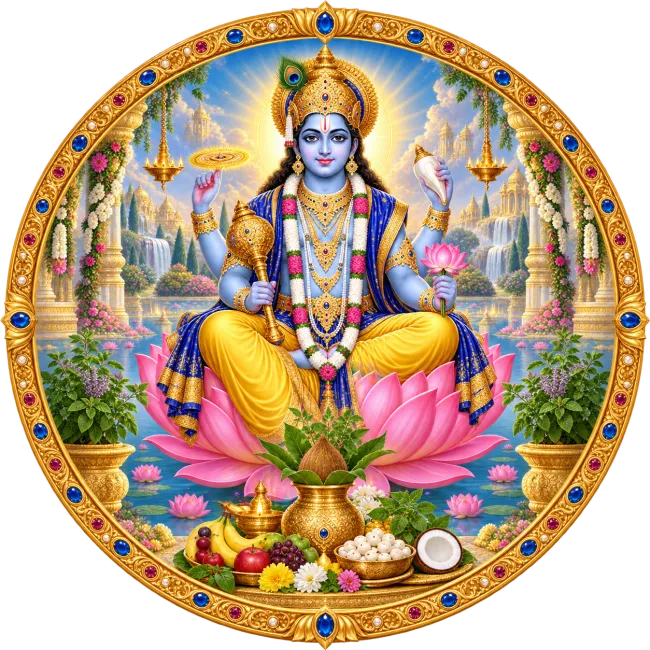
Pramukh Ekadashi
Pramukh Ekadashis are the most significant Ekadashi fasting days observed throughout the Hindu lunar year. Ekadashi falls on the eleventh lunar day of both Shukla Paksha and Krishna Paksha, usually occurring twice every month. These sacred days are primarily dedicated to Lord Vishnu and His various incarnations. Devotees observe fasting, offer prayers, chant Vishnu mantras, read religious scriptures, and practise charity to seek divine blessings.
Some of the major Ekadashis include Nirjala Ekadashi, Devshayani Ekadashi, Devuthani Ekadashi, Vaikuntha or Mokshada Ekadashi, Putrada Ekadashi, Papmochini Ekadashi, Kamada Ekadashi, Mohini Ekadashi, Yogini Ekadashi, Aja Ekadashi, Indira Ekadashi and Utpanna Ekadashi. Every Ekadashi has its own story, purpose and spiritual importance. Some are observed for liberation from past sins, while others are associated with prosperity, family welfare, peace, good health, fulfilment of wishes and spiritual advancement.
Observing Ekadashi is not limited to avoiding food. Its deeper purpose is to control the senses, purify the mind and spend more time remembering God. Devotees may observe a complete fast, consume only fruits and milk, or follow a simple satvik diet without grains, depending on their health and capacity. The vrat is traditionally completed with Paran on Dwadashi Tithi at the prescribed time.
According to Har Ghar Pandit Ji, devotees should observe Ekadashi with purity, devotion and self-discipline. Elderly people, pregnant women, children and those with medical conditions should choose a suitable form of fasting after considering their health and professional medical advice.
Pramukh Ekadashis hold a special place in Sanatan Dharma because each one represents a distinct spiritual lesson and divine blessing. Lord Vishnu is worshipped as the protector and sustainer of the universe, and Ekadashi worship is believed to bring devotees closer to His grace. These observances encourage people to reduce worldly distractions, control negative thoughts and cultivate compassion, patience and devotion.
Important Ekadashis and their main significance include:
- Nirjala Ekadashi: Considered one of the most rigorous Ekadashi fasts and traditionally associated with the collective spiritual merit of observing all Ekadashis.
- Devshayani Ekadashi: Marks the beginning of Lord Vishnu’s symbolic divine rest and the commencement of Chaturmas.
- Devuthani Ekadashi: Celebrates the symbolic awakening of Lord Vishnu and traditionally marks the resumption of auspicious ceremonies.
- Mokshada Ekadashi: Observed for spiritual liberation, freedom from sins and prayers for the peace of one’s ancestors.
- Vaikuntha Ekadashi: Revered as a highly auspicious occasion for worshipping Lord Vishnu and seeking the path towards moksha.
- Putrada Ekadashi: Observed with prayers for the happiness, protection and well-being of children and family.
- Kamada Ekadashi: Associated with the fulfilment of righteous wishes and liberation from the consequences of past wrong actions.
- Mohini Ekadashi: Believed to support purification of the mind and freedom from attachment, illusion and negative tendencies.
- Papmochini Ekadashi: Dedicated to repentance, inner purification and seeking forgiveness for past mistakes.
- Yogini Ekadashi: Traditionally observed to overcome suffering and promote spiritual as well as personal purification.
- Aja Ekadashi: Associated with truth, righteousness and freedom from the burden of past karma.
- Indira Ekadashi: Observed especially for the peace and spiritual welfare of departed ancestors.
- Utpanna Ekadashi: Commemorates the divine manifestation of Ekadashi Devi and highlights the importance of self-control.
A typical Ekadashi observance begins on Dashami with a simple satvik meal and disciplined conduct. On Ekadashi, devotees wake up early, bathe, take a vrat sankalp and worship Lord Vishnu with flowers, Tulsi leaves, incense, lamps and fruits. Chanting “Om Namo Bhagavate Vasudevaya”, reciting Vishnu Sahasranama, reading the Bhagavad Gita and listening to the relevant Ekadashi Vrat Katha are considered spiritually beneficial. Rice, wheat, pulses, meat, alcohol, onion, garlic and tamasic food are generally avoided according to family tradition.
The fast is concluded on Dwadashi through Paran after worshipping Lord Vishnu and offering food or charity to a deserving person. Since the correct Paran period and Ekadashi date may vary according to the location and Panchang, devotees should confirm the timings applicable to their city.